A dramatic anti-looting operation in Jerusalem has led to an unexpected archaeological breakthrough: the discovery of a large stone vessel production facility dating to the Second Temple period.
The find was announced by the Israel Antiquities Authority after investigators arrested five suspected antiquities thieves at the Ras Tamim site near Mount Scopus. What began as a routine surveillance operation soon turned into a major historical revelation.
From Night Raid to Major Discovery
Authorities first became suspicious after spotting fresh excavation marks at the antiquities site. The Israel Antiquities Authority’s Theft Prevention Unit launched covert surveillance and, after several nights of monitoring, apprehended five men allegedly caught in the act.
The suspects reportedly carried a generator, a metal detector, and quarrying tools—equipment typically used in illicit digs. According to officials, the men confessed and could face up to five years in prison for illegal excavation and destruction of an archaeological site.
But the real story emerged only after the arrests.
📣 Our WhatsApp channel is now LIVE! Stay up-to-date with the latest news and updates, just click here to follow us on WhatsApp and never miss a thing!!
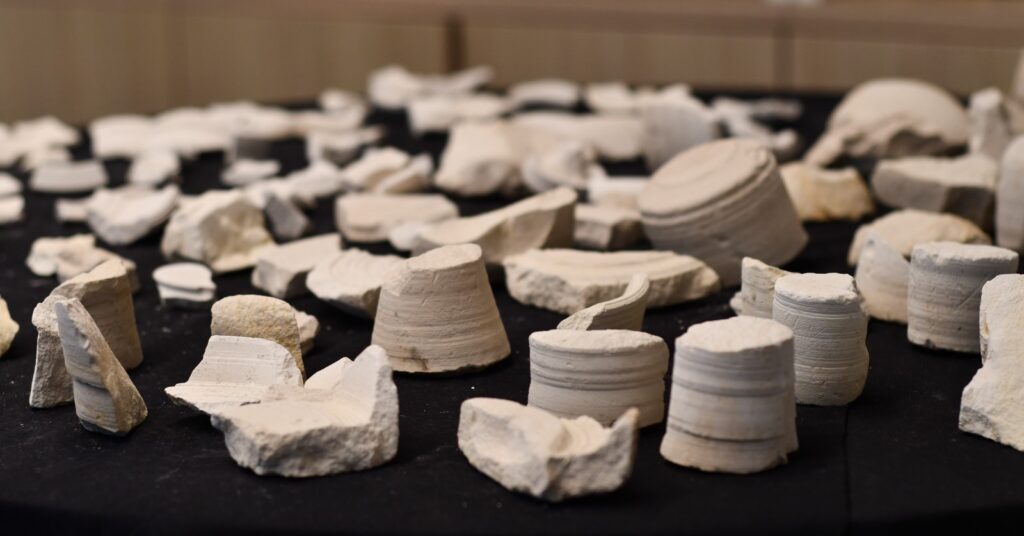
When archaeologists entered the underground cave where the looters had been operating, they encountered hundreds of stone fragments scattered across the floor. Closer examination revealed something far more significant than isolated artifacts: production waste, partially shaped vessels, and unfinished items pointed unmistakably to a full-scale manufacturing workshop from around 2,000 years ago.

A Workshop Serving Ritual Purity
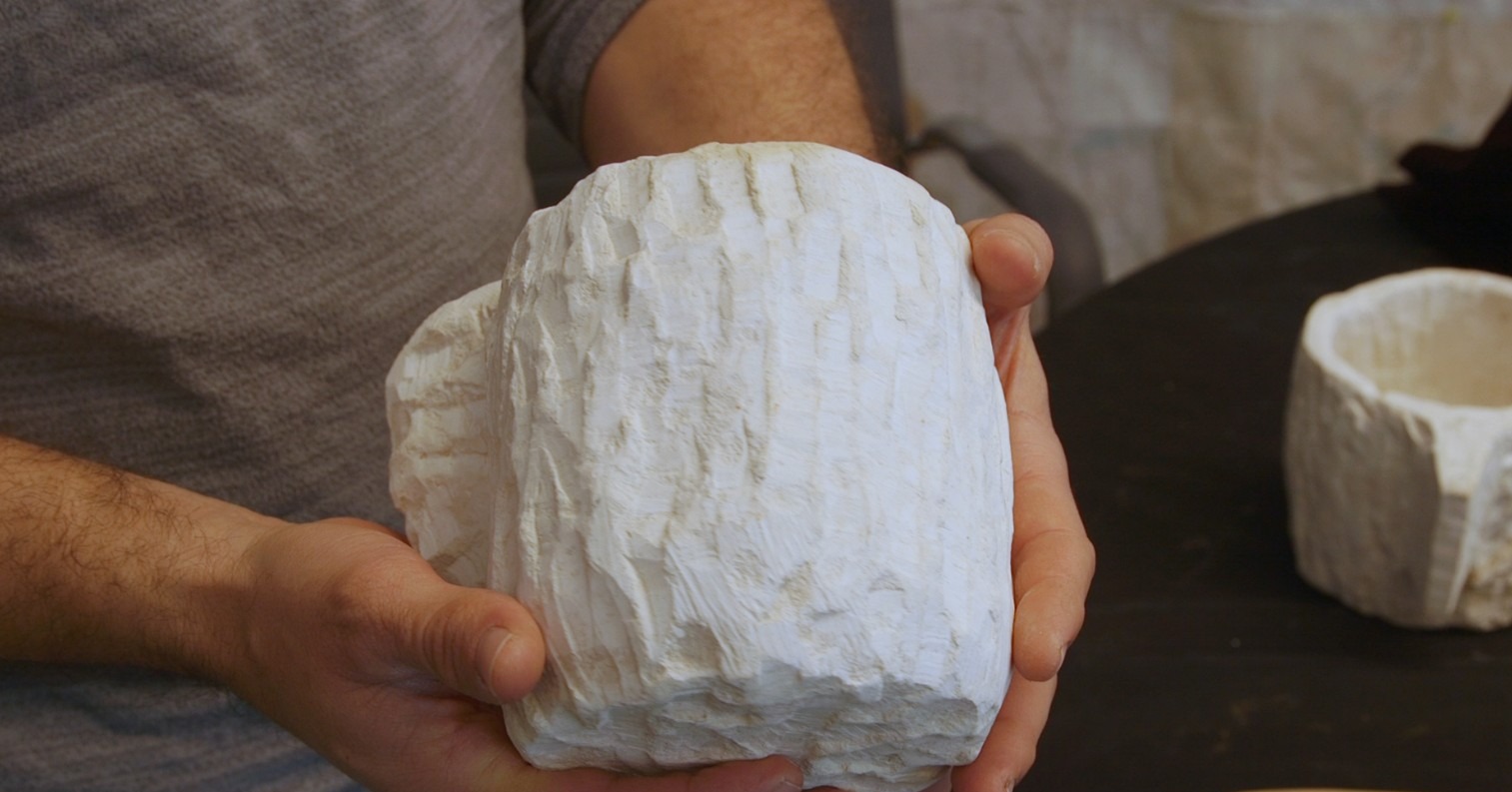
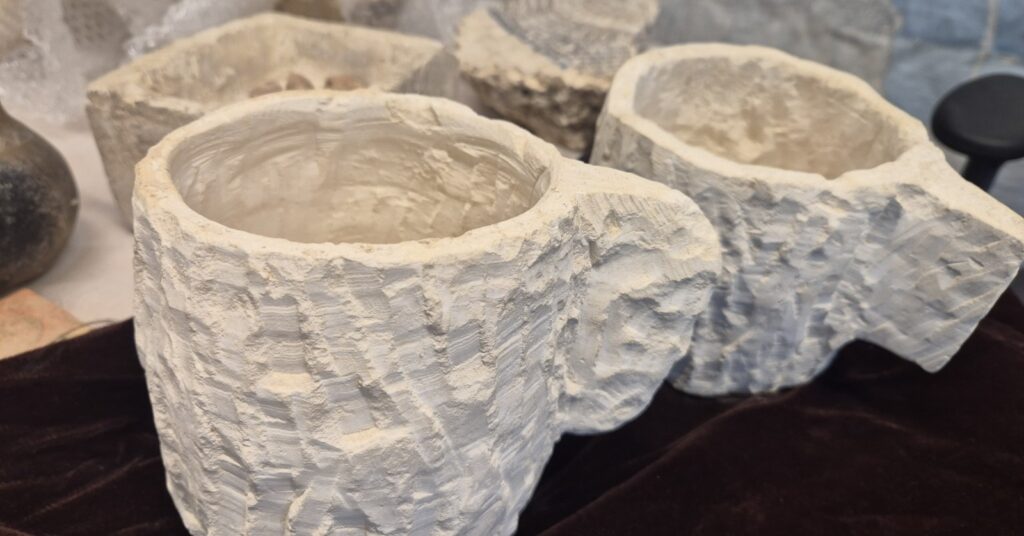
The newly uncovered facility produced Jewish stone vessels, a distinctive artifact type strongly associated with the Jewish population of Jerusalem and Judea during the Second Temple era (516 BCE–70 CE).
Unlike clay or ceramic containers, limestone vessels were believed to be immune to ritual impurity under Jewish law. In a society where purity regulations governed daily life—particularly food preparation and Temple worship—stone containers offered a practical solution. Their durability and ritual suitability made them highly valued household items.
Archaeologists note that similar workshops have previously been identified in the Judean hill country, but the scale and context of this newly exposed site make it especially important. The cave contains clear evidence of systematic production: rough-hewn blocks, lathe-shaped interiors, chisel marks, and discarded fragments from the carving process.
Rather than a small artisan’s workshop, this appears to have been an organized production center.
At a Crossroads of Pilgrimage
The site’s location adds another layer of significance. It lies along a major route used by Jewish pilgrims traveling from the east toward Jerusalem during the Second Temple period.
This road functioned as both a commercial artery and a spiritual pathway. Pilgrims heading to the Temple would have passed directly through or near the area, creating strong demand for ritual objects such as stone vessels.
Archaeologists suggest that traders likely transported the finished products to Jerusalem’s markets, where they were sold to residents and pilgrims alike. The discovery reinforces evidence that the Mount Scopus region was not merely peripheral but an active and economically integrated zone during the late Second Temple era.
A Broader Archaeological Landscape
According to officials from the Israel Antiquities Authority, the workshop does not stand alone. Previous discoveries in the surrounding area include burial caves, large water reservoirs, a ritual bath (mikveh), and limestone quarries—indicating sustained settlement and industrial activity.
Together, these finds help reconstruct a vibrant landscape of Jewish life just outside ancient Jerusalem’s core. The concentration of industrial and ritual features suggests a community deeply embedded in the religious and economic rhythms of the city.
Looting and Cultural Identity
Antiquities theft remains a persistent problem in Israel, where archaeology intersects with politics, heritage, and identity. Authorities report catching looters in the act multiple times each week.
Officials emphasized that looting is not simply theft of valuable objects but destruction of historical context. Once disturbed, archaeological layers lose critical information about chronology, production techniques, and social organization.
In this case, however, the attempted crime inadvertently revealed a remarkable chapter of Jerusalem’s past.
From “Criminal Past” to Public Display
The recovered stone vessels and fragments are now being exhibited in Jerusalem as part of an exhibition titled “Criminal Past,” highlighting artifacts that were either looted or recovered from illicit excavations.
The display is hosted at the Jay and Jeany Schottenstein Campus for the Archaeology of Israel, located on Jerusalem’s Museum Hill. The campus serves as a major repository for the nation’s archaeological heritage and houses tens of thousands of artifacts, including fragments of the Dead Sea Scrolls.
By placing the objects in a public setting, curators aim to underscore both their historical importance and the risks posed by looting.
Reconstructing Daily Life 2,000 Years Ago
Beyond the drama of the arrests, the workshop offers a rare glimpse into the economic and religious infrastructure of Jerusalem during one of its most formative eras.
These stone vessels were not luxury goods. They were practical objects shaped by belief—designed for kitchens, markets, and ritual use. Their production required skilled craftsmanship, access to limestone quarries, and organized distribution networks.
The cave workshop at Mount Scopus reveals that ritual purity was not merely a theological concept but a driving force in the material economy of Second Temple Jerusalem.
And thanks to a failed attempt at illicit excavation, a forgotten industrial site has re-entered the historical record—restoring another fragment of a city whose past continues to surface in unexpected ways.
Cover Image Credit: Israel Antiquities Authority via Facebook