First four-wheeled chariots discovered in Iron Age Britain at Melsonby, revealing elite power, ritual destruction, and continental connections near Stanwick.
A discovery in northern England is forcing archaeologists to rethink one of the most fundamental assumptions about Iron Age Britain: how its elites moved, displayed power, and perhaps even waged war.
Near the village of Melsonby in North Yorkshire, researchers have uncovered the remains of the first known four-wheeled chariots ever identified in British Iron Age archaeology—a finding that challenges long-held beliefs that transport on the island relied almost entirely on lighter, two-wheeled vehicles.
The discovery, made through a combination of metal detecting and controlled excavation, reveals not just vehicles, but an entire world of prestige, ritual destruction, and political symbolism dating roughly between 100 BC and AD 40.
A Discovery Beneath the Fields of Northern England
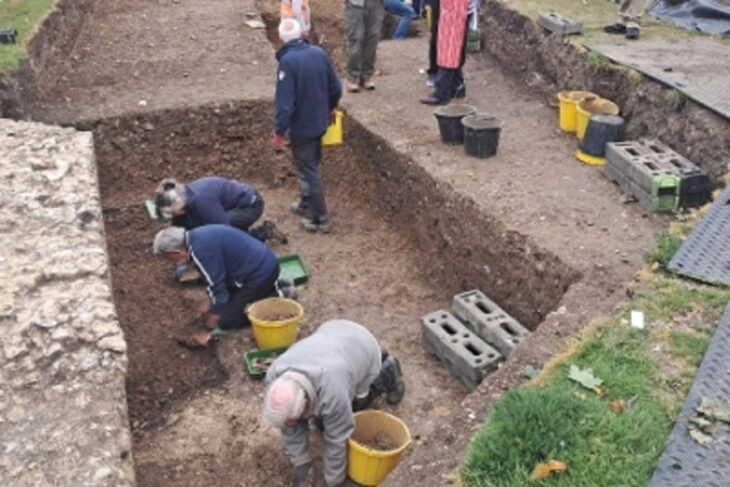
What began in 2021 as a routine metal-detecting survey quickly escalated into one of the most significant Iron Age discoveries in Britain.
📣 Our WhatsApp channel is now LIVE! Stay up-to-date with the latest news and updates, just click here to follow us on WhatsApp and never miss a thing!!
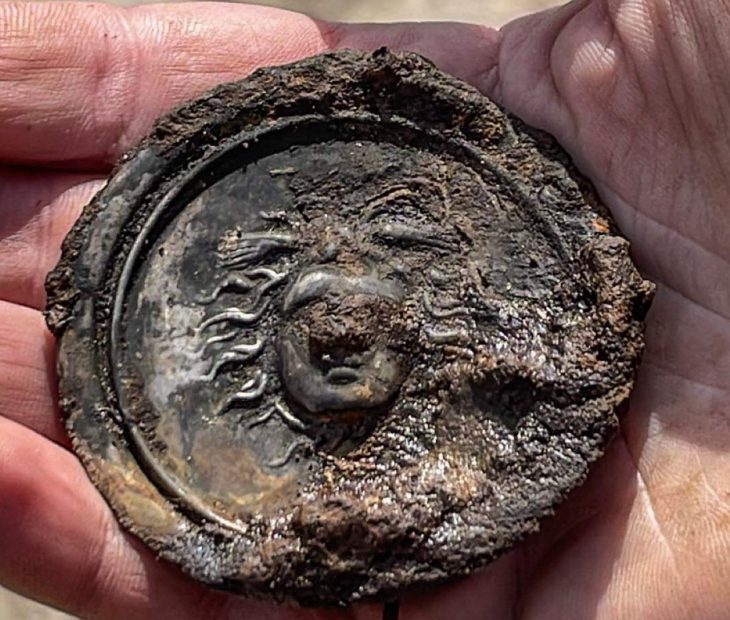
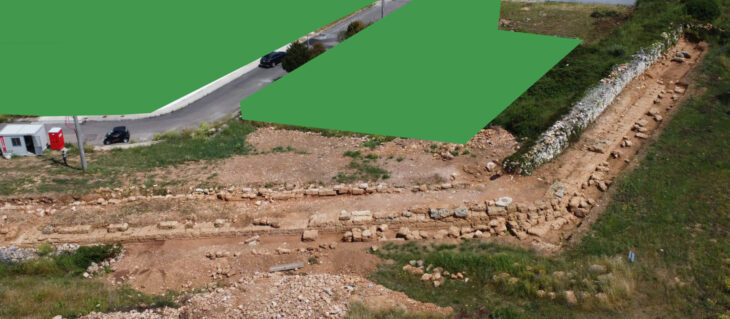
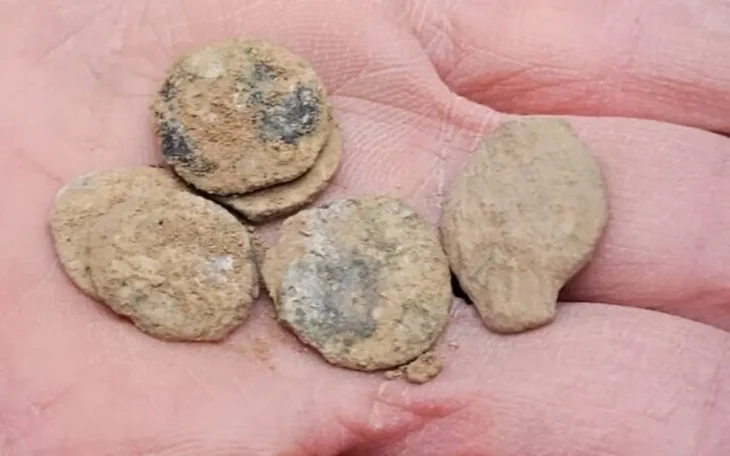
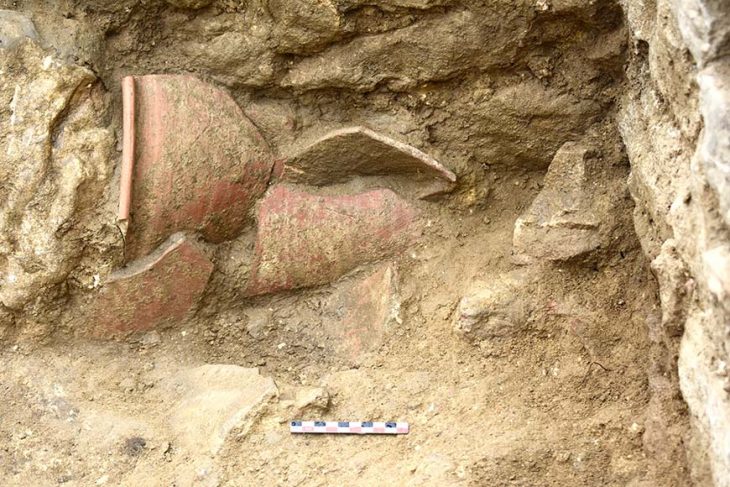
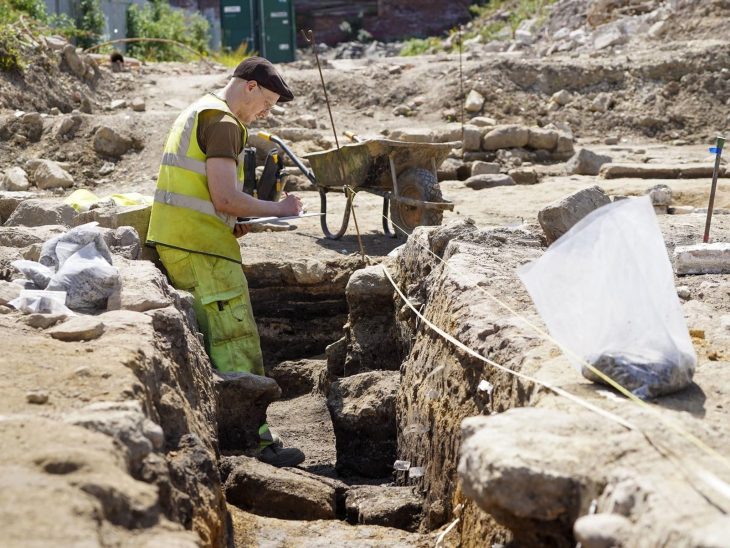
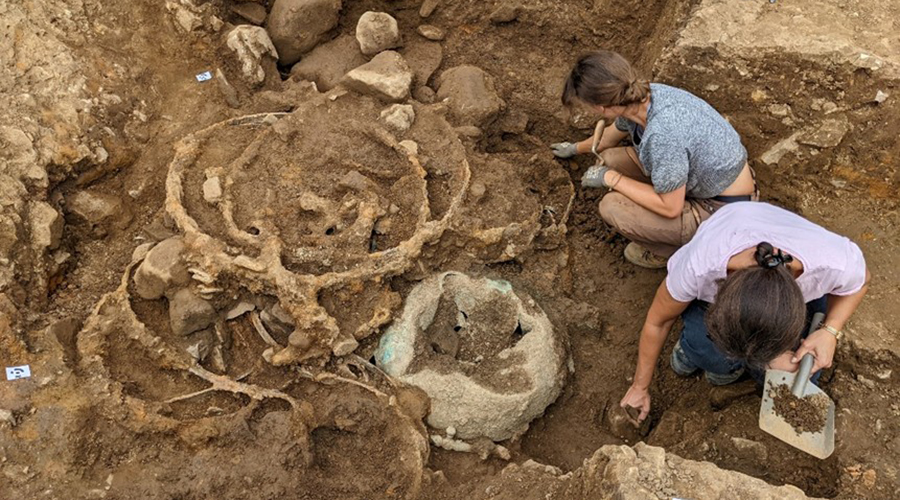
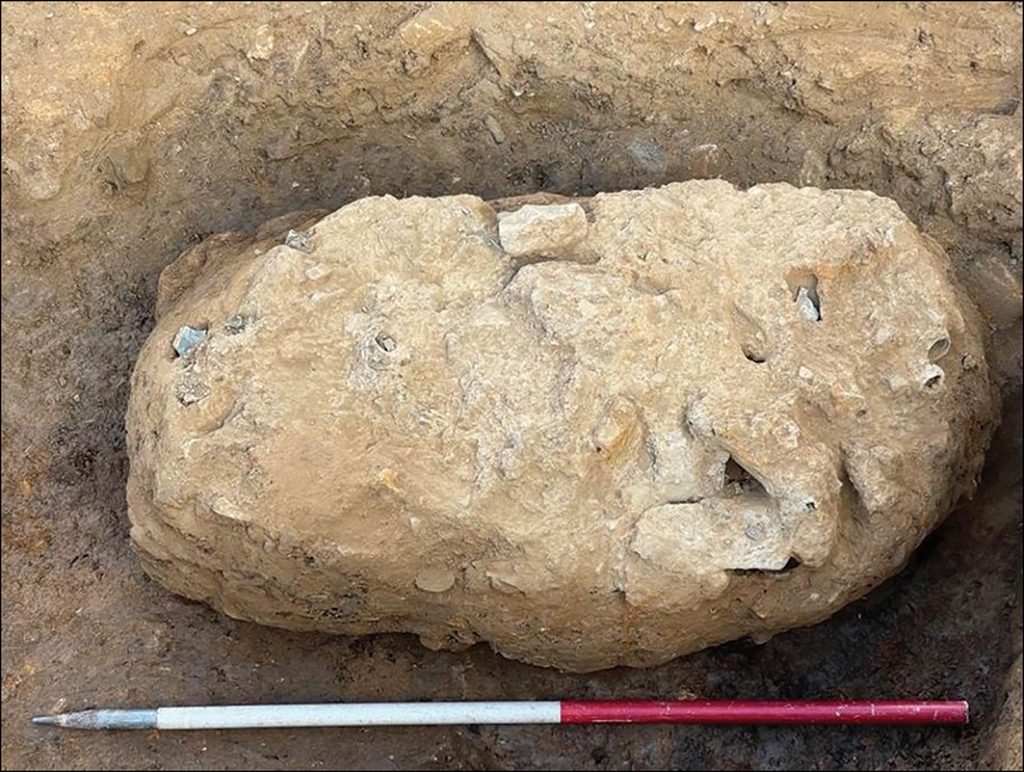
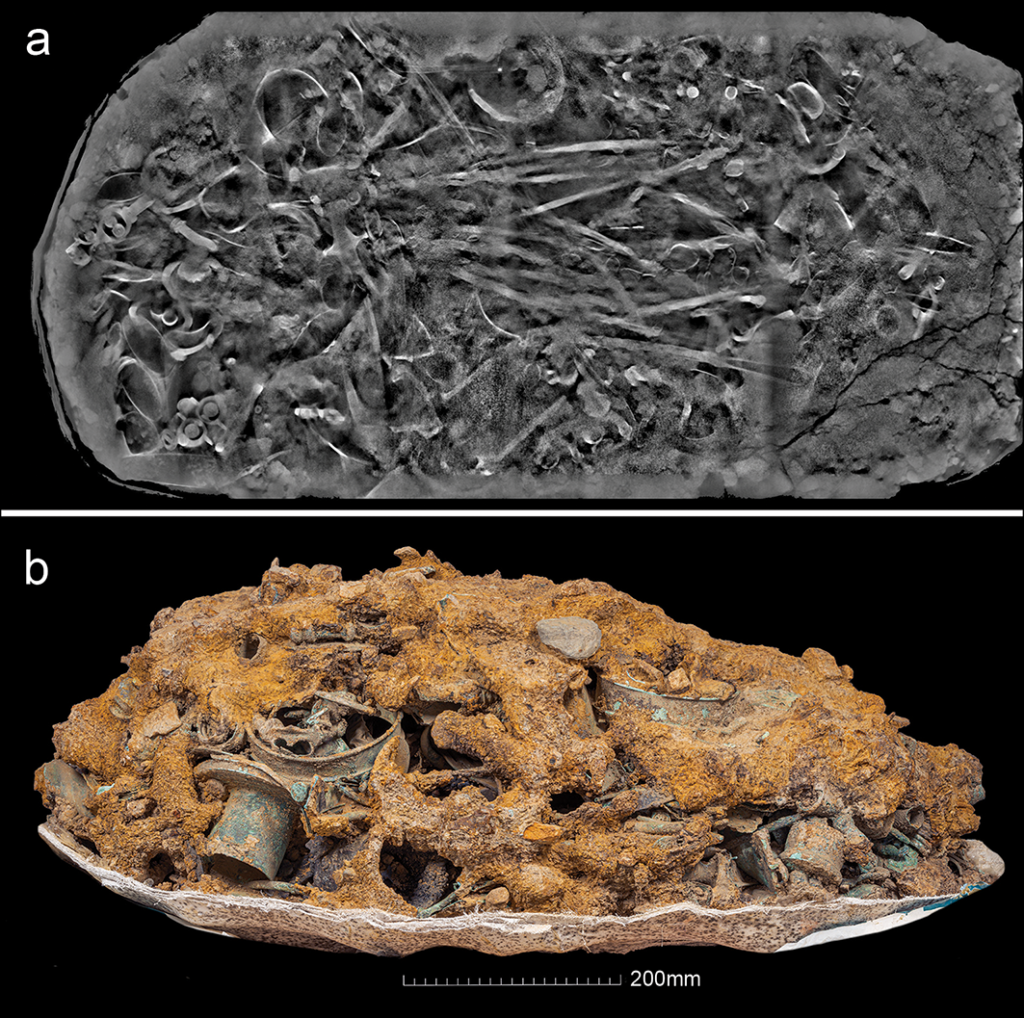
Excavations carried out in 2022 exposed two large, carefully constructed deposits containing nearly 950 metal objects, ranging from vehicle components and horse harnesses to weapons and ceremonial vessels. These deposits were located just under one kilometer from Stanwick, a vast fortified complex widely considered the political center of the Brigantes tribe.
According to the academic study published in Antiquity, the assemblage represents one of the largest Iron Age metalwork hoards ever discovered in Britain, with approximately three-quarters of the material directly linked to vehicles and horse gear.
The Breakthrough: Evidence of Four-Wheeled Vehicles
For decades, archaeological evidence in Britain pointed almost exclusively to two-wheeled chariots, typically found in burial contexts across the Yorkshire Wolds.
The Melsonby discovery changes that narrative entirely.
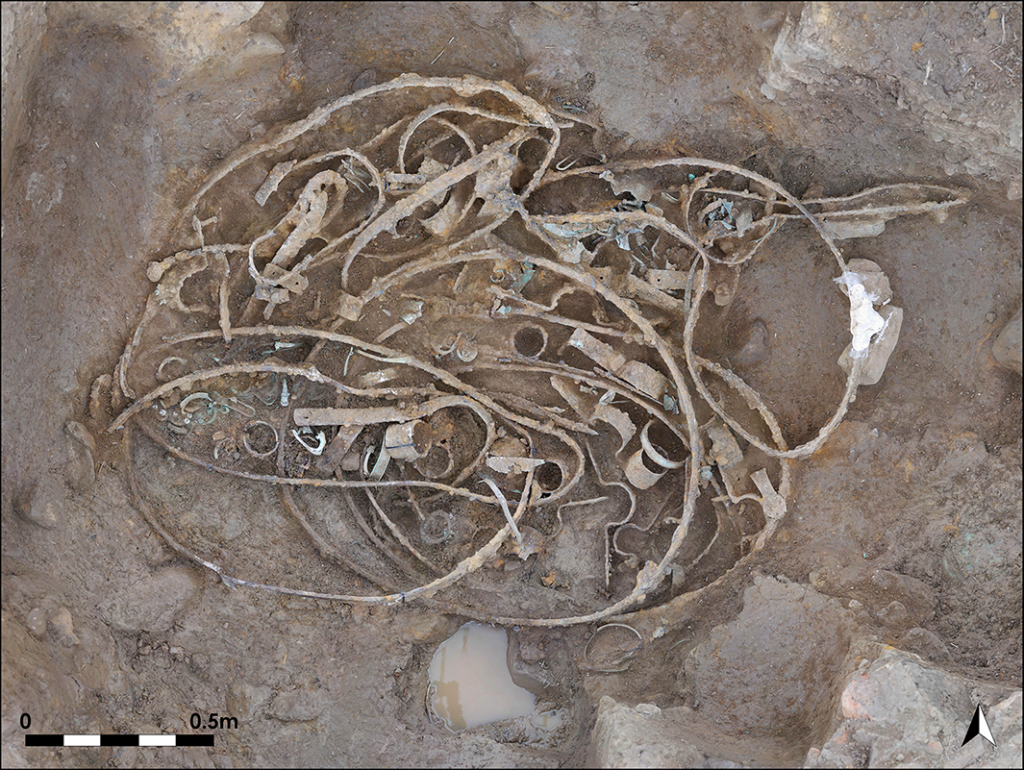
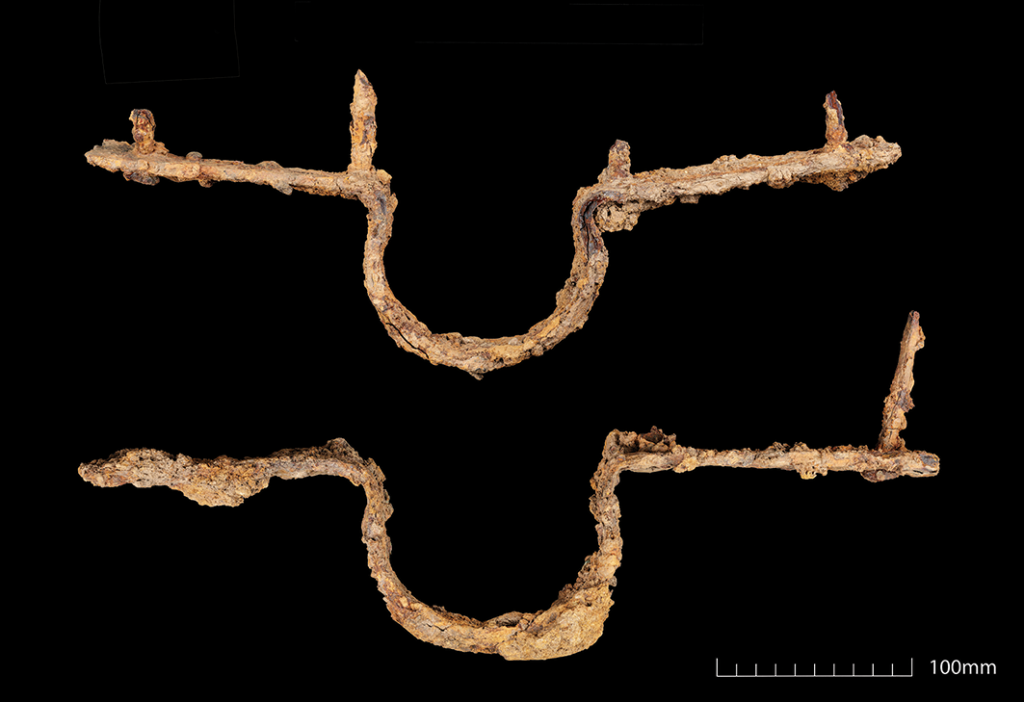
Among the finds were large iron wheel rims, hub fittings, and distinctive U-shaped brackets, alongside cylindrical metal bands that fit together in ways inconsistent with two-wheeled vehicles. These elements strongly resemble structural components seen in continental European four-wheeled wagons, particularly those dated to the late Iron Age.
Crucially, archaeologists also identified kingpins—mechanisms essential for steering in four-wheeled vehicles but absent in simpler chariots. Combined with the size of the wheels and the robustness of the fittings, the evidence points to the existence of substantial four-wheeled vehicles, likely numbering at least seven .
This marks the first tangible archaeological confirmation that such vehicles were used in Iron Age Britain.
Continental Connections and a Wider World
The presence of four-wheeled vehicles does more than redefine transport—it reveals Britain’s deeper integration into wider European networks.
The Melsonby components closely resemble wagons from sites like Dejbjerg in Denmark, where richly decorated four-wheeled vehicles have been dated to around 100 BC. Decorative elements found at Melsonby—including embossed faces, trumpet motifs, and intricate metalwork—echo artistic traditions seen across the European Iron Age world.
This suggests that northern Britain was not a peripheral region, but an active participant in long-distance exchange systems involving technology, craftsmanship, and elite culture.
Vehicles of Power, Not Just Transport
These were not ordinary wagons.
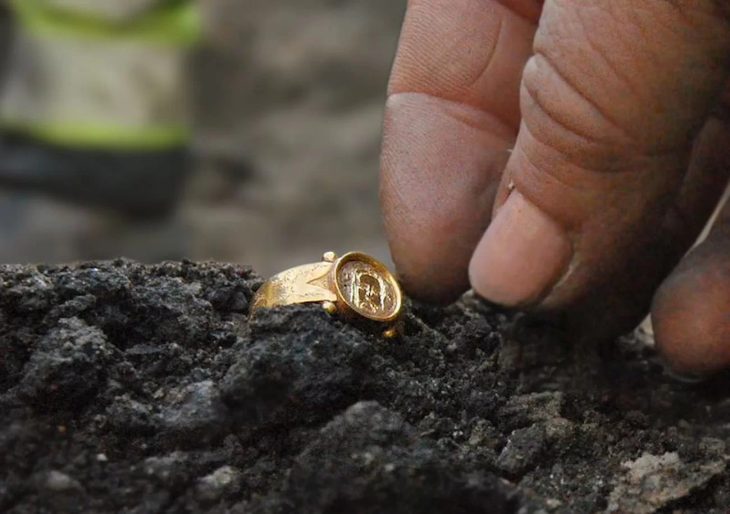
The scale, decoration, and associated objects indicate that the vehicles belonged to a high-status elite, likely connected to the ruling networks centered at Stanwick. Horse harness fittings were adorned with Mediterranean coral, colored glass, and enamel, materials that required extensive trade connections.
Yet the most striking detail is not their craftsmanship—but their fate.
Nearly all of the vehicles were deliberately dismantled, bent, and in some cases exposed to intense heat before burial. Wheel rims were twisted out of shape, metal components crushed, and valuable objects seemingly destroyed in a controlled and symbolic act.
Ritual Destruction or Political Statement?
The violent treatment of these objects has led archaeologists to interpret the deposits not as simple hoards, but as highly structured ritual events.
One possibility is that the materials were part of funerary ceremonies, perhaps linked to the death of a powerful leader. The presence of feasting vessels, weapons, and prestige goods mirrors elite burials found elsewhere in Iron Age Britain.
Another interpretation suggests votive offerings, where valuable objects were intentionally destroyed and buried as acts of devotion or political display.
The absence of human remains complicates the picture, but researchers emphasize that ritual deposits do not always require a burial to be meaningful.
What remains clear is that these were not casual acts—they were carefully orchestrated events designed to convey power, memory, and status.
The Shadow of Queen Cartimandua
The proximity of the site to Stanwick inevitably brings to mind Queen Cartimandua, the powerful ruler of the Brigantes mentioned by the Roman historian Tacitus.
Although current dating suggests the deposits slightly predate her reign, they likely belong to the same elite lineage or political environment. The scale of wealth and organization required to assemble—and destroy—such a collection points to a ruling class capable of mobilizing significant resources.
Intriguingly, the discovery also reinforces growing archaeological evidence that women may have played central roles in Iron Age political power structures, challenging older, male-dominated narratives of ancient leadership.
A Turning Point in British Archaeology
The Melsonby discoveries are still under study, with some deposits preserved intact to retain critical information about how they were assembled.
Yet even at this early stage, their significance is undeniable.
The presence of four-wheeled vehicles fundamentally reshapes our understanding of Iron Age Britain—not only in terms of transport, but also social hierarchy, ritual behavior, and international connectivity.
For centuries, Britain’s Iron Age societies were often viewed as isolated or technologically limited compared to continental Europe.
Melsonby tells a different story.
Here, in the fields of North Yorkshire, the remains of shattered chariots reveal a world of mobility, wealth, and symbolic power—one that stood firmly within the broader currents of ancient Europe, just as Rome began its advance toward the island.
Adams S, Armstrong J, Bayliss A, Moore T, Williams E. Vehicles of change: two exceptional deposits of destroyed chariots or wagons from Late Iron Age Britain. Antiquity. Published online 2026:1-21. doi:10.15184/aqy.2026.10311
Cover Image Credit: The deposit of iron tyres in Trench 1 shortly after being uncovered (photograph: Durham University). Adams S, 2026, Antiquity