
A haunting mystery is unfolding in Egypt’s Saqqara necropolis, where a 4,000-year-old limestone relief has vanished from one of the few tombs in the country said to carry a curse. The relief, once adorning the walls of the mastaba tomb of Khentika, has disappeared under circumstances that Egypt’s Ministry of Tourism and Antiquities now calls “deeply concerning.”
The ancient artwork — depicting the seasonal calendar of the Nile’s life-giving flood — was discovered missing earlier this year by a British archaeological mission working at the site. Although local reports surfaced in May, officials only confirmed the loss this week, triggering a full-scale investigation and renewed fears about the vulnerability of Egypt’s heritage sites.
Ministry Confirms Legal Action
In an official Arabic statement, Dr. Mohamed Ismail Khaled, Secretary-General of the Supreme Council of Antiquities, said all necessary legal steps have been taken and that the entire case has been referred to the Public Prosecution for investigation.
Khaled explained that the Khentika tomb had remained sealed since 2019 and had been used solely as an archaeological storeroom since its discovery in the 1950s. “Immediately after learning of the incident, a specialized archaeological committee led by Dr. Amr El-Tayeb was formed to inventory the tomb’s contents,” he said. “Once the report was submitted, the case was transferred to the prosecution the same day.”
The ministry reaffirmed that it is following the investigation closely “to ensure the protection and preservation of Egypt’s archaeological legacy from any illegal acts or negligence.”
The Vanished Relief of Khentika
The missing relief measured approximately 16 by 24 inches and was carved into limestone. It illustrated the ancient Egyptian year divided into three agricultural seasons — Akhet (inundation), Proyet (planting), and Shomu (harvest) — a cyclical rhythm that mirrored the Nile River’s rise and retreat.
Researchers believe the artwork was part of Khentika’s tomb decoration, meant to symbolize cosmic order and the eternal renewal of life. Its removal, archaeologists say, required deliberate effort — the piece appears to have been carefully cut out of the wall, not destroyed by erosion or collapse.
A Tomb Marked by a Curse
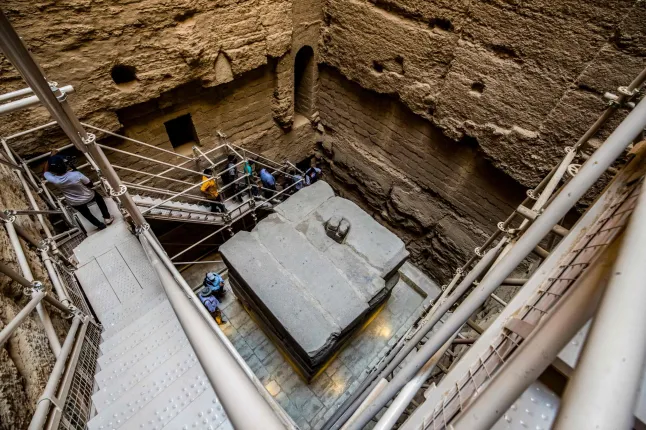
The mastaba of Khentika is one of the few tombs in ancient Egypt inscribed with a curse aimed at deterring grave robbers. The text, translated in the 1950s by British Egyptologist Harry James, warned that anyone who violated the tomb would suffer divine retribution from the gods.
For decades, the tomb remained sealed and protected, reopening only briefly for limited research access. Now, as Egypt’s investigators try to determine who entered it — and how — many locals have begun to whisper that the curse may have come to life once again.
Heritage Under Pressure
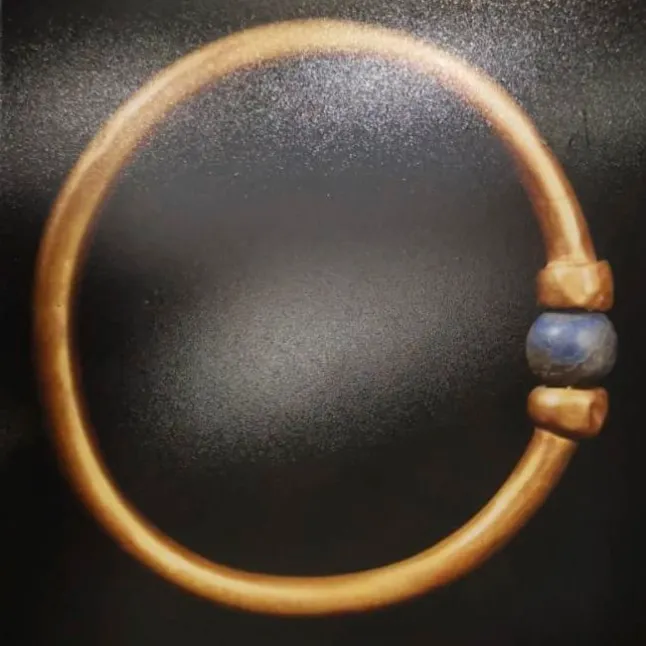
The case has emerged at a tense time for Egypt’s antiquities sector. Just days before the Saqqara disappearance became public, the Ministry of Tourism and Antiquities revealed that a 3,000-year-old golden bracelet belonging to Pharaoh Amenemope had been stolen from a museum’s restoration lab, melted down, and sold on the black market.
Tourism and Antiquities Minister Sherif Fathy called the incident a “grave failure of procedure” and announced tighter security protocols across museums and archaeological storerooms. Four suspects, including a museum restoration worker, were arrested in that case.
Saqqara’s Timeless Legacy
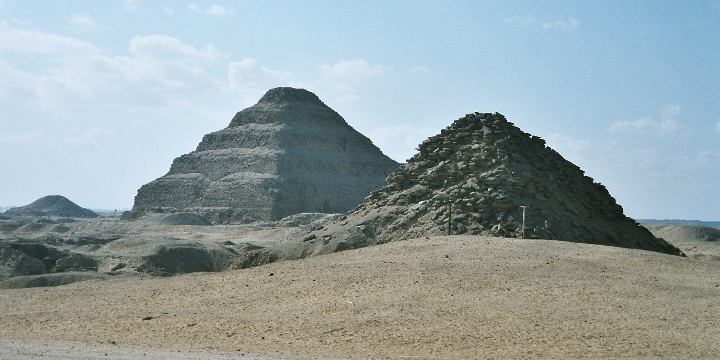
Saqqara, the vast necropolis of ancient Memphis, holds some of Egypt’s most extraordinary monuments, including the Step Pyramid of Djoser — the world’s oldest monumental stone structure — and dozens of elite tombs spanning more than 3,000 years.
The tomb of Khentika, dating to the Sixth Dynasty (circa 2300 B.C.), offers a glimpse into the life of Egypt’s bureaucratic elite during the Old Kingdom’s final years. Its reliefs depict rituals, feasts, and offerings that connected the living with the afterlife — now disrupted by a theft that echoes the very curses once carved to prevent it.
Guarding the Past
Egypt’s Ministry of Tourism and Antiquities has reiterated its “unwavering commitment” to protecting the nation’s archaeological heritage. Officials said all storerooms and closed tombs across major sites are now under review to ensure proper documentation and surveillance.
While prosecutors investigate how the Khentika relief disappeared from a sealed tomb, the mystery remains unsolved. Whether the culprit was driven by greed or whether, as ancient inscriptions warn, the gods themselves exacted punishment on those who disturbed the dead — Egypt’s “cursed tomb” continues to live up to its name.
Cover Image Credit: View of Saqqara necropolis, including Djoser’s step pyramid (centre), the Pyramid of Unas (left) and the Pyramid of Userkaf (right). Public Domain
