
20 June 2026 The Future is the Product of the Past

Ancient Chinese porcelain worth 1 million euros was stolen from the German museum, sparking anger

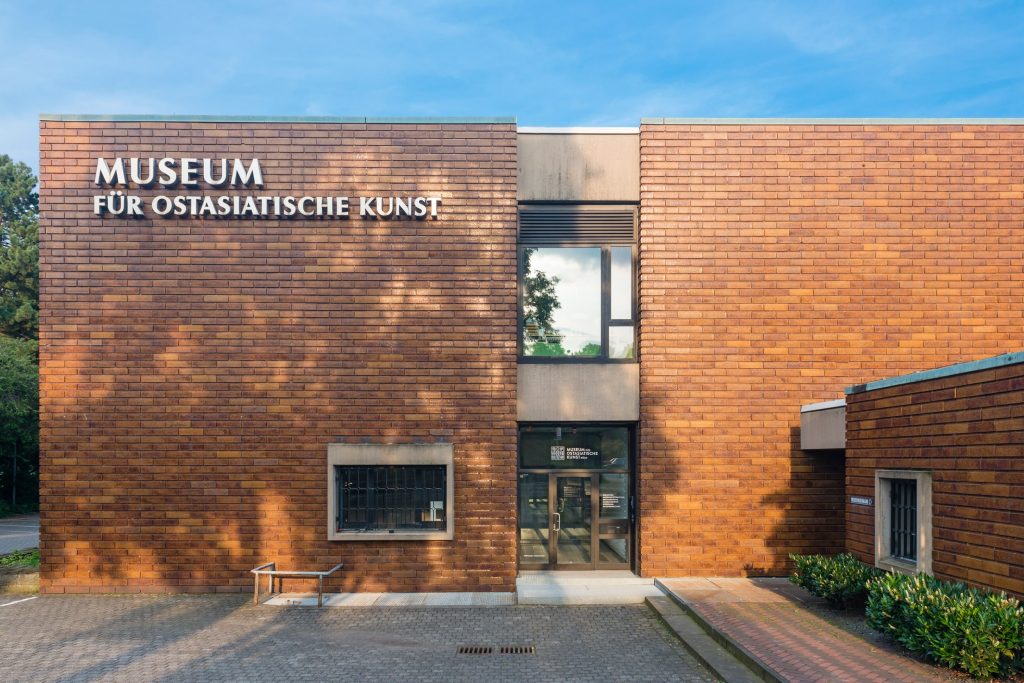
Nine pieces of historic Chinese porcelain worth around €1 million were stolen from the Museum for East Asian Art (Cologne) overnight, authorities in the German city said Wednesday.

“Unknown persons” managed to break into the Museum of East Asian Art through a window and steal the pieces from display cases, according to police. Nine items taken date from the 16th to the 19th century, city authorities said in a statement.

Nine pieces of ancient Chinese porcelain, estimated to be worth more than 1 million euros ($1,073 million), artifacts were mostly Chinese porcelain vases, plates, and bowls made during the Ming (1368-1644) and Qing (1644-1911) ­dynasties. Some of them were part of the museum’s founding collection.

According to a photograph purporting to show the museum’s “stolen relics list,” at least three Qianlong-period porcelain vases were stolen. They were created in Jingdezhen, China’s 1,000-year-old porcelain capital in East China’s Jiangxi Province, which was responsible for the country’s finest porcelain craftsmanship during the Qing Dynasty.

The museum, which opened in 1913, claims to be the first specialized museum of its kind in Europe. Accordingly, it houses – alongside the Museum of Asian Art in Berlin – the most important collection of art from China, Korea, and Japan in the Federal Republic.


📣 Our WhatsApp channel is now LIVE! Stay up-to-date with the latest news and updates, just click here to follow us on WhatsApp and never miss a thing!!


Since the stolen items are well documented and easily identifiable, museum director Shao-Lan Hertel said she was hopeful they would eventually find their way back.
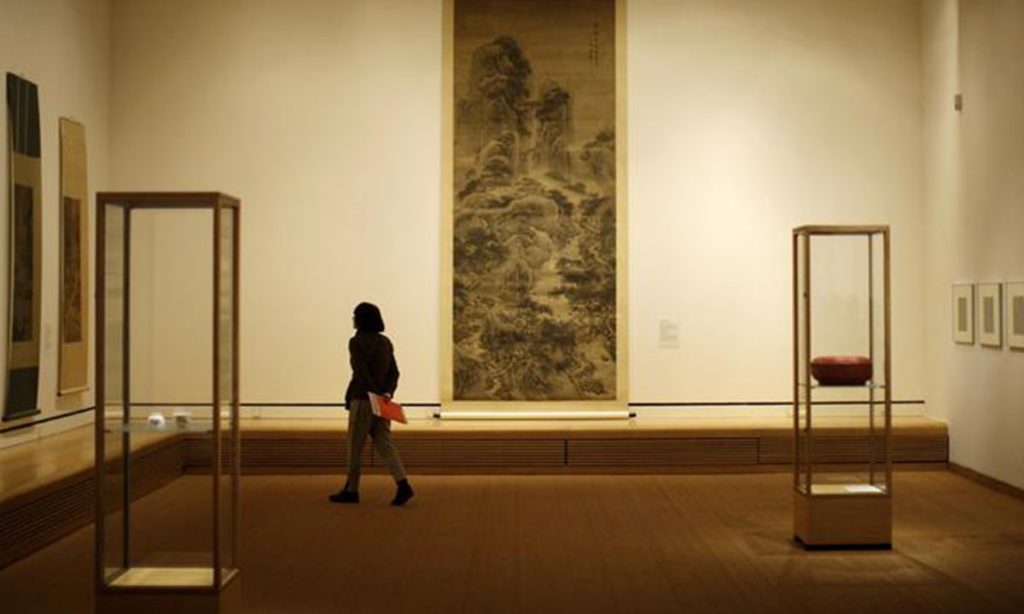
The Museum for East Asian Art (Cologne) Photo: Xinhua

Yao Yu, a Chinese cultural expert, told the Global Times that he was “more stunned than angry and disappointed” by the “sluggish loose security management” of the museum, especially when the cultural institution is the “most prestigious of its kind in Europe.”

“It triggers a trust issue in Western museums for us,” Yao noted, adding that such a “brazen mistake” is the solidest evidence against such museums’ “false claim they are the best home for foreign relics.”

“Whenever the relic’s repatriation topic is proposed, Western museums often question the relic’s original country whether or not they can better care for them. This incident that happened is like a joke, or a slap in the face,” Yao noted.

“The current incident in Germany will likely trigger a new round of criticism targeting Western museums. And, this time, I think international anger will likely grow bigger,” Yao said.

Not even a month ago, the British Museum in London was embroiled in a massive scandal in which over 2,000 artifacts were stolen from the site.

The theft comes after five gang members were jailed in May for snatching priceless 18th-century jewels from a museum in Dresden. In what German media dubbed the biggest art heist in modern history, the thieves made off with a haul worth more than €113 million from the Green Vault museum in 2019.

The loot included a sword with a diamond-encrusted hilt and a shoulder piece which contained a 49-carat Dresden white diamond. Some, but not all, of those items were recovered.

In another heist, burglars made away with a stash of Celtic coins worth several million euros from a museum in southern Germany’s Manching city last November.

Stefan Charles, the city councillor for arts and culture, announced a review of the museum’s security.

Related Articles

New discoveries in Göbeklitepe and Karahantepe: A Human statue with a realistic facial expression found in Karahantepe

30 September 2023

30 September 2023

New finds were discovered in Göbeklitepe and Karahantepe. At around 12,000 years old, Göbekli Tepe is the world’s oldest megalithic...

7,000-Year-Old Animal-Figured Seals Found in Arslantepe, Anatolia’s First City-State

27 August 2024

27 August 2024

Archaeologists working at the Arslantepe Mound (Turkish: Arslantepe Höyük), a UNESCO World Heritage Site in Türkiye’s eastern Malatya province and...

A 1,700-year-old trident discovered in Assos ancient city in Türkiye

10 October 2023

10 October 2023

An iron trident, believed to be used for fishing, dating to the 3rd or 4th century A.D. has been discovered...

Crowned figure holding a 13th-century falcon found in Oslo

17 December 2021

17 December 2021

Archaeologist Ann-Ingeborg Floa Grindhaug discovered a three-inch-long figure carved from bone or antler amid the ruins of a fortified royal...

Maya Salt-Making Compound Found Preserved Underwater in Belize Reveals Secrets of “Invisible Sites”

19 October 2025

19 October 2025

The discovery of a Maya salt-making compound preserved beneath the mangrove peat of southern Belize is transforming our understanding of...

Rare 4th-Century BC Marble Mask of a Phoenician Woman Unearthed in Carthage

12 November 2025

12 November 2025

Archaeologists in Tunisia have uncovered a marble mask depicting a woman with a Phoenician-style coiffure, described as “unique in form...

The secret of the mummy in the Crystal coffin found in a garage in San Francisco

30 March 2023

30 March 2023

Mysterious mummies are a symbol of ancient lost times, which we often associate with Egypt and other ancient civilizations. Therefore,...

Archaeologists Uncover 168 Ancient Sites in Georgia’s Highlands—Including Mysterious Bronze Sun Disc and Lost Fortresses

18 April 2026

18 April 2026

An eight-year archaeological project reveals a complex highland civilization, uncovering 168 ancient sites, ancient fortifications, and rare symbolic artifacts that...

From Iron Age to Roman Empire: A Child’s Tomb, a Kissing Figurine, and 800 Ancient Remains

25 March 2026

25 March 2026

Archaeologists uncover over 800 structures at Ruyaulcourt, Pas-de-Calais, revealing Iron Age farms, Roman-era houses, metallurgical activity, and a 1st-century child’s...

A courtesan ‘hetaira’ tomb was discovered in a burial cave during excavations in Via Hebron

27 September 2023

27 September 2023

During excavations in the Via Hebron in Jerusalem, a burial cave containing the tomb of a courtesan (hetaira in Ancient...

Rare Incense Burner Depicting Egyptian God Serapis Unearthed in Ancient City of Ephesus

8 December 2025

8 December 2025

Archaeologists working in the ancient city of Ephesus, one of the world’s best-preserved archaeological sites and a UNESCO World Heritage...

1650-Year-Old Earthen Grills Unearthed in Assos Excavations

14 August 2021

14 August 2021

Excavations continue in Assos Ancient City, a rich settlement of the period, which is located within the borders of Behramkale...

Unique Two-Faced Gold Ring Unearthed in Poland

10 February 2024

10 February 2024

A gold ring with an unusual two-faced design, likely to be from the 11th or 12th century, has been discovered...

Archaeologists Find Ornate Roman Domūs in Nimes

25 February 2021

25 February 2021

Archaeologists conducting archaeological excavations in the French city of Nimes have discovered the remains of two high-status Roman domus (houses)....

The Mysterious Sign of Tanit: The Phoenician Goddess Who Outlived Carthage

1 June 2026

1 June 2026

A symbol that crossed the ancient Mediterranean Among the ruins of the ancient Mediterranean, some gods survive through marble statues,...