20 December 2025 The Future is the Product of the Past

The Only Known Roman Brewery, Discovered in Central Italy

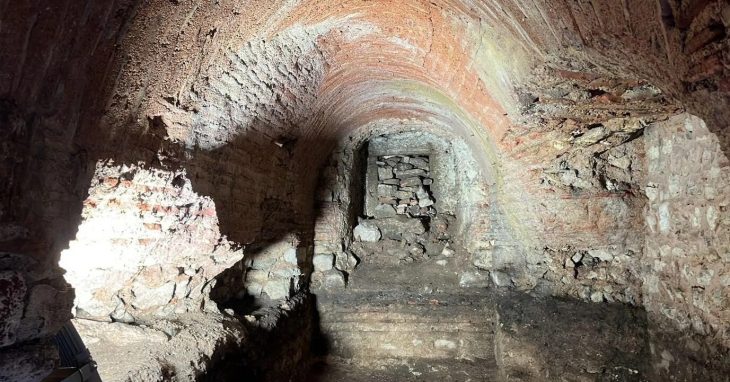
Archaeologists from the University of Macerata have discovered the only brewery from the Roman era found to date on the peninsula, famous for its winemaking tradition, in the region of Macerata, in central Italy.

This is how the University of Macerata’s 30th excavation campaign at Urbs Salvia and Villamagna came to a successful conclusion.

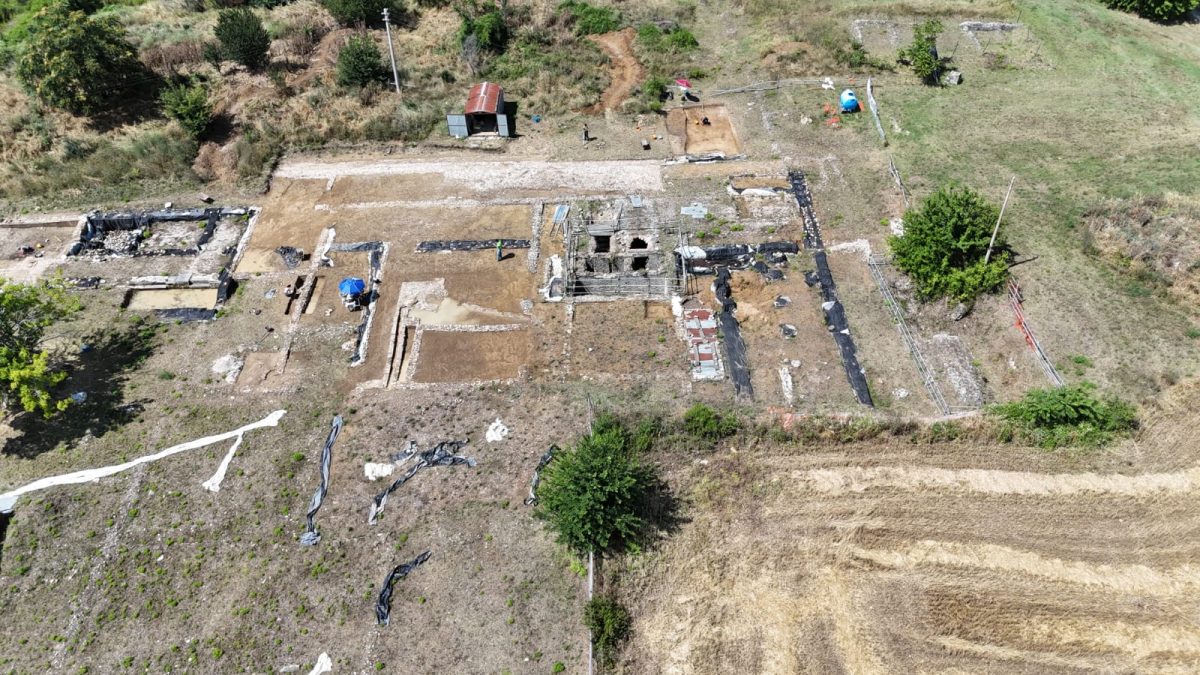
Archaeologists discovered the mentioned brewery and a Roman villa with striking monumental structures in Villamagna. This unexpected finding may have its origins in the region’s ancient Gallic culture since the Celtic tribes were well-known for their beer-drinking before they came to Italy.

In the 4th century B.C., the Senon Gauls, a Celtic population from the French province, had occupied several areas in the Marche region, including the province of Macerata. This population significantly influenced the history and culture of the region. The owners of the villa probably followed in the footsteps of an ancient regional tradition.
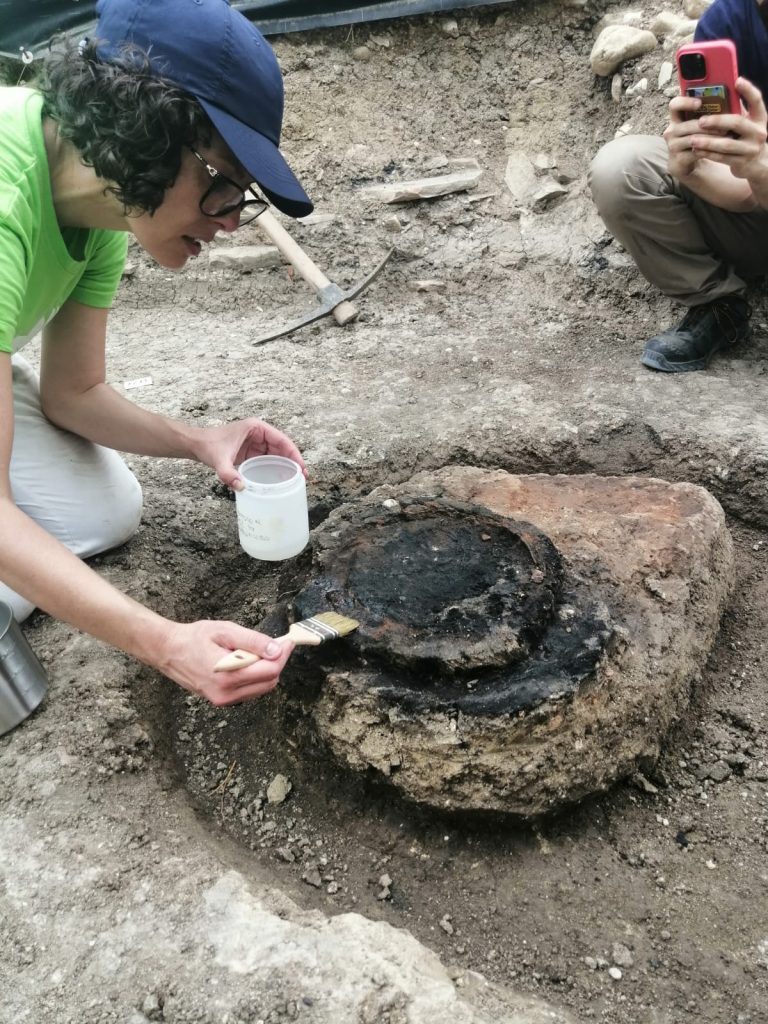
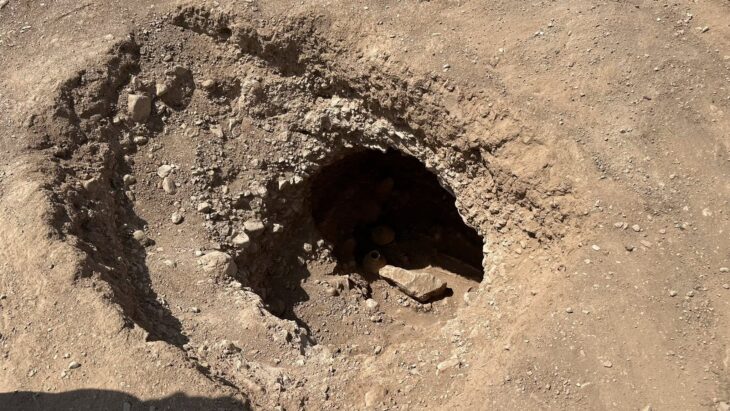
A Roman brewery found in central Italy. Photo: University of Macerata

The excavation at Urbs Salvia, which is located in the municipal territory of Urbisaglia, has uncovered remarkable artifacts in the area of the cryptoporticus and the Roman colony’s forum. The University has announced the finding of Republican-era metal forges and pottery-making kilns, which throws new light on the Romanization of the Piceno.


📣 Our WhatsApp channel is now LIVE! Stay up-to-date with the latest news and updates, just click here to follow us on WhatsApp and never miss a thing!!


With these discoveries, the Regional Directorate of Museums of the Marche plans to enhance the public’s experience by expanding the area that is open to the public.

The site of Urbs Salvia, the modern Urbisaglia, colonia romana of the 2nd century BC, is located along the via Salaria Gallica, which connected Ausculum and the via Salaria with the via Flaminia, along the Adriatic coast. First called Pollentia and re-baptized Urbs Salvia at the time of Augustus, the town has been intensively explored since 1995.
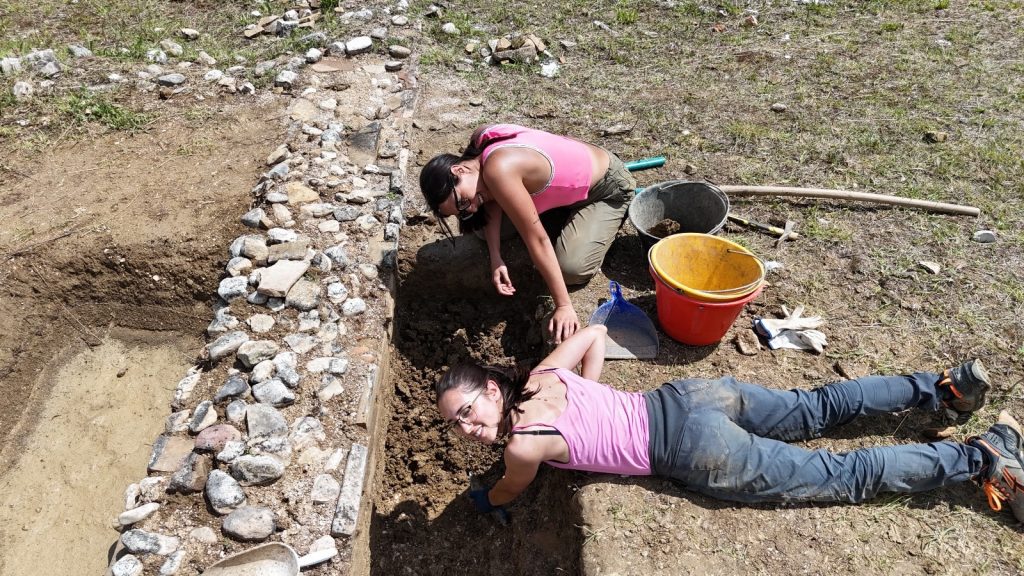
It is the only known Roman brewery on the Italian peninsula. Photo: University of Macerata

The archaeological excavations brought to light a major complex comprising a Cryptoporticus-temple, dedicated to the Salus Augusta. The nearby Amphitheatre, Theatre, ancient fortifications, and the sub-urban villa of Villa Magna, the focus of recent digs, have been included in the Archaeological Park of Urbs Salvia founded in 1994.

Today, visitors can see well-preserved monuments like the Theater, which can hold 3,000 people, and the Temple, which is devoted to Salus, the goddess of health.

Stile-Arte

Cover Photo: University of Macerata
Related Articles

8,500-year-old marble statuette found in Çatalhöyük

28 December 2021

28 December 2021

In the 29th season of the excavations in Çatalhöyük, one of the first urbanization models in Anatolia, in the Çumra...

Massive Bronze Age City Uncovered in Kazakhstan: Archaeologists Reveal a 3,500-Year-Old Metallurgical Hub on the Steppe

19 November 2025

19 November 2025

In a discovery poised to reshape our understanding of early urbanism in Central Asia, an international team of archaeologists has...

Manot Cave yielded evidence for ritualistic gathering 35,000 years ago, the earliest on the Asian continent

13 January 2025

13 January 2025

Archaeological research at the Manot Cave in what is now the Galilee in northern Israel has uncovered evidence of ritualistic...

World’s Oldest Ritual Honey Found in Bronze Jars Beneath Italian Temple

31 July 2025

31 July 2025

In a discovery that may represent the world’s oldest ritual honey, researchers have identified the chemical remains of ancient honey...

Archaeologists find a Roman military watchtower in Morocco for the first time

7 November 2022

7 November 2022

A Roman military watchtower the first of its kind was discovered by a team of Polish and Moroccan archaeologists in...

Xujiayao hominid’s brain in China had the biggest known brain of the time

17 January 2022

17 January 2022

A study showed that the ancient relatives of modern humans in northern China may have had an “Einstein’s brain” at...

Builders of Massive 6000-year-old Menga Dolmen Likely Understood Geometry and other “Early Science” Concepts

25 August 2024

25 August 2024

Researchers say that a new analysis of the 6000-year-old stone Menga (also known as the Dolmen of Menga), supported by...

Giant handaxe discovered at Ice Age site in Kent, UK

8 July 2023

8 July 2023

Researchers in Kent in southeastern England have discovered a prehistoric handaxe so big it would have been almost impossible to...

Archaeologists discover 1200-year-old Wari temple complex in Peru

24 February 2023

24 February 2023

Archaeologists from the University of Illinois Chicago have uncovered a temple complex constructed by the Wari Empire 1,200 years ago...

Remarkable Roman Villa Full of Strange Artifacts Discovered from a Bronze Age Site in England

3 April 2024

3 April 2024

Archaeologists have uncovered a “richly decorated” remarkable Roman villa complex during excavations at Brookside Meadows in Grove, a village in...

Ancient necropolis of stillborn babies and very young children found in Auxerre, France

8 June 2024

8 June 2024

A team from INRAP, France’s national archaeology and preservation agency, unearthed a necropolis dedicated to stillborn and very young children...

From Justinian’s Glory to Ruin: The Last Stand of Montenegro Triconch Church

10 August 2025

10 August 2025

In the heart of Bar, just off the bustling Ulica Maršala Tita, lie the weathered remains of the Triconch Church...

2,600-Year-Old Tandoor Discovered at Oluz Höyük Reveals Deep Roots of Anatolian Culinary Traditions

19 December 2025

19 December 2025

Archaeologists working at the ancient settlement of Oluz Höyük in northern Turkey have uncovered a remarkably well-preserved 2,600-year-old tandoor oven...

Archaeologists Uncover Monumental 2,800-Year-Old Lydian Palace in Sardis, Birthplace of Money

15 August 2025

15 August 2025

Archaeologists excavating the UNESCO World Heritage site of Sardis, located in the Salihli district of Manisa, Türkiye, have uncovered the...

Archaeologists have found an intriguing Iron Age “shrine” in the Yorkshire Wolds

19 September 2021

19 September 2021

Archaeologists have discovered an interesting ancient Iron Age “shrine” in the Yorkshire Wolds, which was marked out by meticulously placed...