
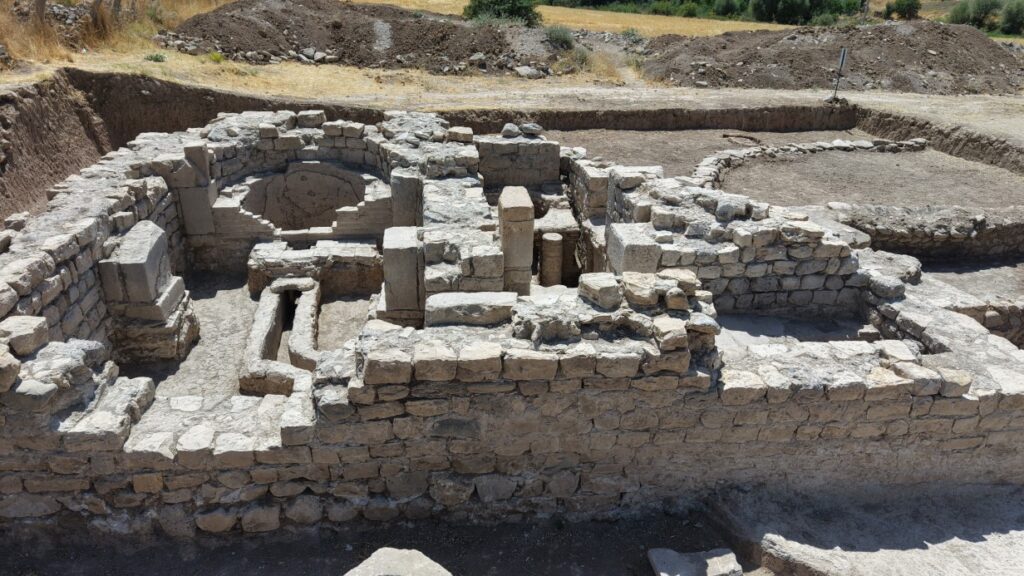
Archaeologists in eastern Türkiye have uncovered a 1,700-year-old Roman bathhouse equipped with an advanced underfloor heating system, shedding new light on Roman engineering and daily life in the region.
Discovery by Chance Leads to Major Excavation
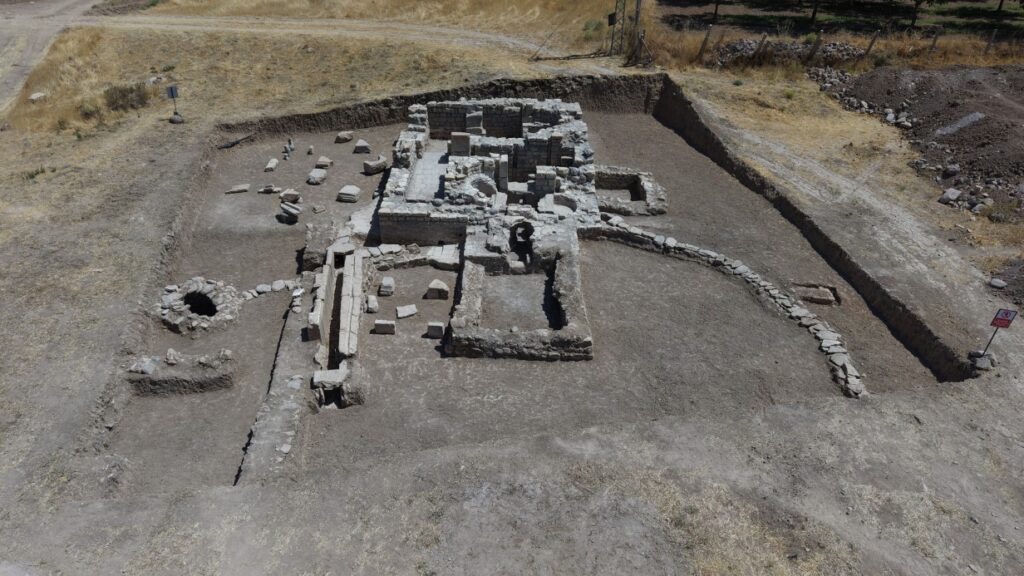
In 2023, a farmer in Salkaya village, Elazığ Province, stumbled upon a piece of mosaic while digging a pit to plant saplings. The accidental find soon turned into a major archaeological project coordinated by the Turkish Ministry of Culture and Tourism. Excavations revealed the remains of a Roman bath complex, dating back to around the 3rd century CE.
Using ground-penetrating radar (GPR), archaeologists surveyed the surrounding area to detect other buried structures. What they uncovered was remarkable: the caldarium, or hot bathing room of the bathhouse, still preserved with evidence of an advanced Roman heating system.
The Roman Hypocaust System: Ancient Innovation in Heating
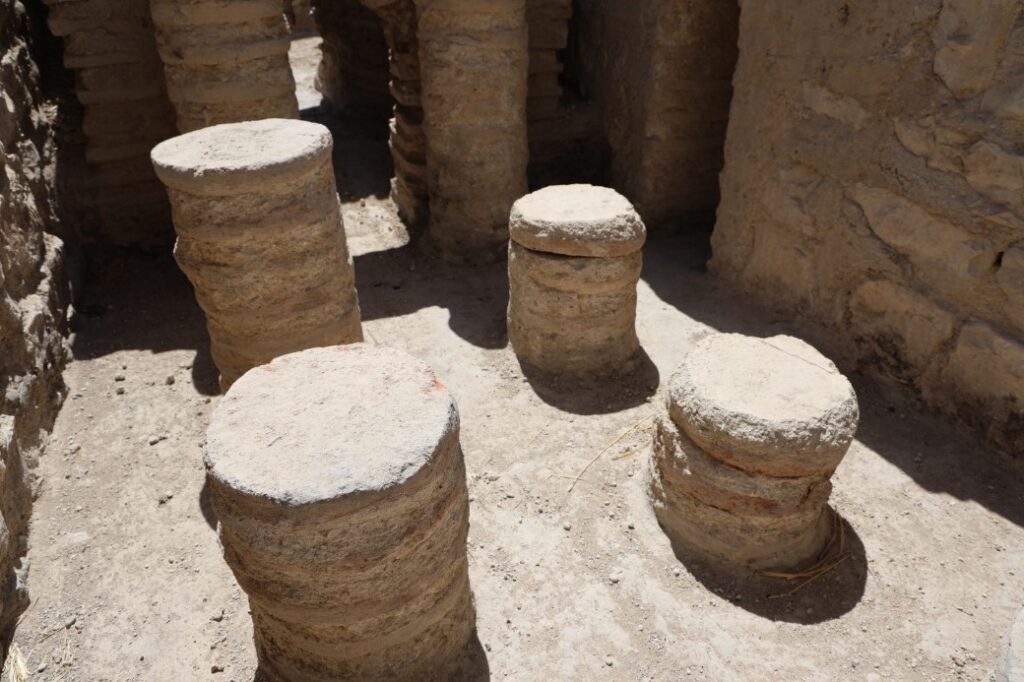
The excavations revealed a network of small columns (suspensurae) beneath the bath floor, a hallmark of the hypocaust system—an ingenious Roman technology that provided central heating almost two millennia ago.
Hot air generated from a nearby furnace circulated beneath the raised floor and through channels built into the walls. This system heated both the ground and the surrounding walls, creating a warm and humid environment perfect for bathing. The caldarium in Elazığ’s bathhouse demonstrates this technology in action.
Archaeologist Emre Çayır, who leads the excavation, explained:
“The small pillars we see here supported the hypocaust system, which provided underfloor and wall heating. It is one of the defining features of Roman architecture and highlights the advanced engineering of the period.”
A First for Elazığ and Its Region
This discovery marks the first Roman bathhouse unearthed in Elazığ Province, making it a unique addition to Anatolia’s rich archaeological record. The presence of such a sophisticated structure suggests that the region once hosted a thriving settlement, not just a rural village.
Çayır noted that the area surrounding the mosaic and bath complex likely represents a rural town center, with additional structures waiting to be uncovered in future excavation seasons.
The Cultural and Engineering Significance
The Roman bath was more than just a place for bathing—it was a center of social, cultural, and political life. The discovery in Elazığ reveals how far Roman influence extended into eastern Anatolia, blending local traditions with imperial engineering.
The hypocaust system itself was a milestone in architectural history. While earlier civilizations, such as the Greeks and Persians, experimented with heated floors, the Romans perfected the method, turning it into a standard feature of public baths and elite villas. This early form of central heating is seen as a precursor to modern underfloor heating technologies still used in luxury homes today.
Preserving the Heritage for the Future
Excavations are continuing under the supervision of the Elazığ Museum Directorate, with the aim of preserving the site for future generations. Once fully studied and conserved, the Roman bath and its mosaics are expected to become an important attraction for cultural tourism in the region.
Çayır emphasized: “Our efforts are focused on protecting this cultural heritage and transmitting it to the future. The bath, with its caldarium and hypocaust system, is a direct testimony to Roman daily life and architectural ingenuity.”
Global Context: Roman Baths and Modern Parallels
The discovery in Elazığ joins a long list of Roman baths found across the empire—from Bath in England to Pompeii in Italy. Each site provides insights into how Romans lived, socialized, and harnessed technology.
The hypocaust system, in particular, continues to fascinate engineers and architects today. Unlike modern heating methods that rely on electricity or gas, hypocausts used wood-burning furnaces to distribute heat efficiently. Some modern eco-friendly building designs are even inspired by this ancient method, proving the Romans were ahead of their time in sustainable engineering.
The unearthing of a 1,700-year-old Roman bathhouse with an underfloor heating system in Elazığ is more than an archaeological discovery—it is a bridge between ancient innovation and modern technology.
As excavations continue, the site promises to reveal more about the spread of Roman culture into eastern Anatolia and the enduring legacy of their engineering marvels.
Cover Image Credit: Rıdvan Yeşilırmak – Erkan Bay – DHA
