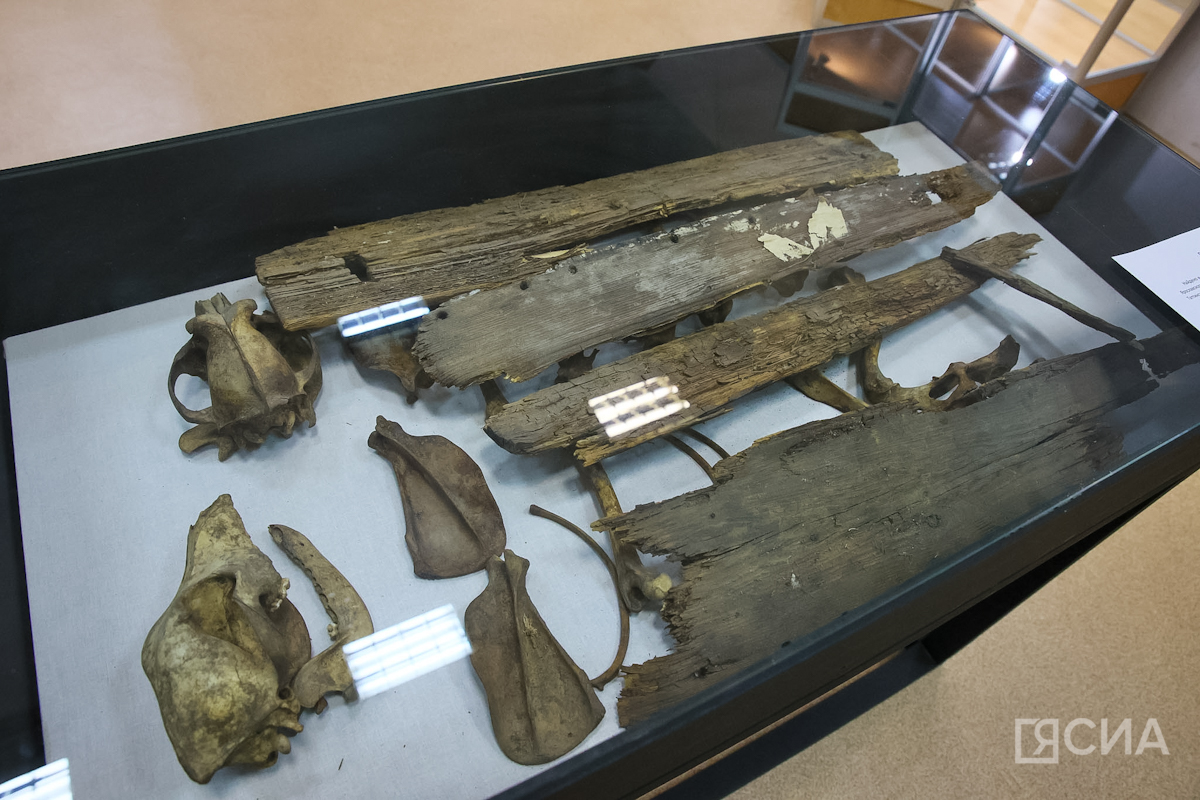
A striking archaeological discovery in northeastern Siberia is shedding new light on ancient beliefs surrounding child mortality and ritual protection. Researchers in Yakutia have uncovered a rare burial of two dogs placed beneath overturned wooden cradles—an arrangement that experts believe reflects a sacrificial ritual intended to safeguard children from death.
The unusual find, now displayed in a museum exhibition in Yakutsk, offers a rare material glimpse into spiritual practices that were previously known only through ethnographic records.
A Burial Unlike Any Other
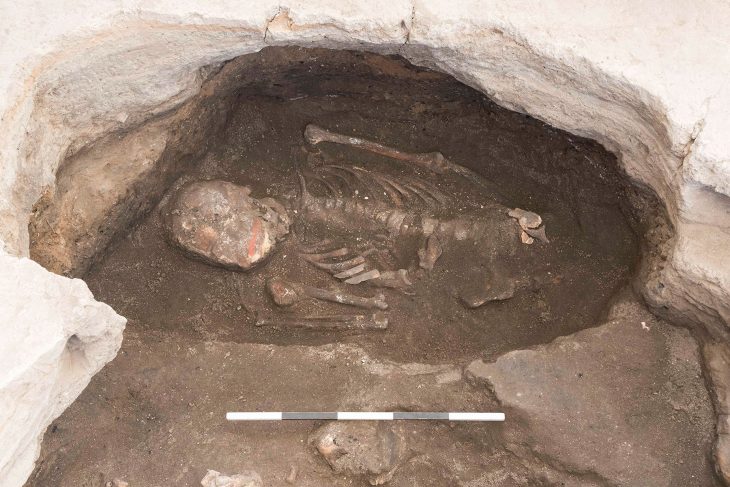
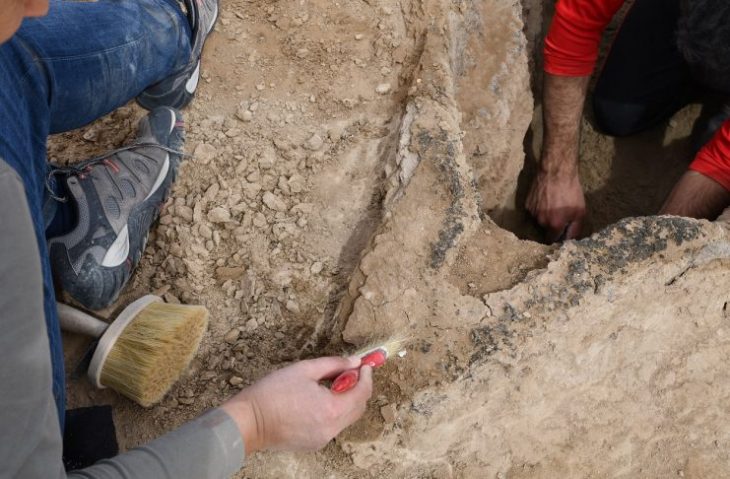
The burial was originally discovered in 2006 by archaeologist Vasily Popov in the Maaya Bochchuotaya area of the Tattinsky District in the Sakha Republic (Yakutia). What makes the site extraordinary is not just the presence of animal remains, but the careful and symbolic arrangement of the burial.
The remains belong to a male and a female dog, both placed on their left side with their heads oriented north. Their front legs were bent, while their hind legs were extended—suggesting deliberate positioning rather than casual disposal.
Most remarkably, each dog was covered by a wooden child’s cradle placed upside down, an element that immediately signaled ritual intent.
📣 Our WhatsApp channel is now LIVE! Stay up-to-date with the latest news and updates, just click here to follow us on WhatsApp and never miss a thing!!
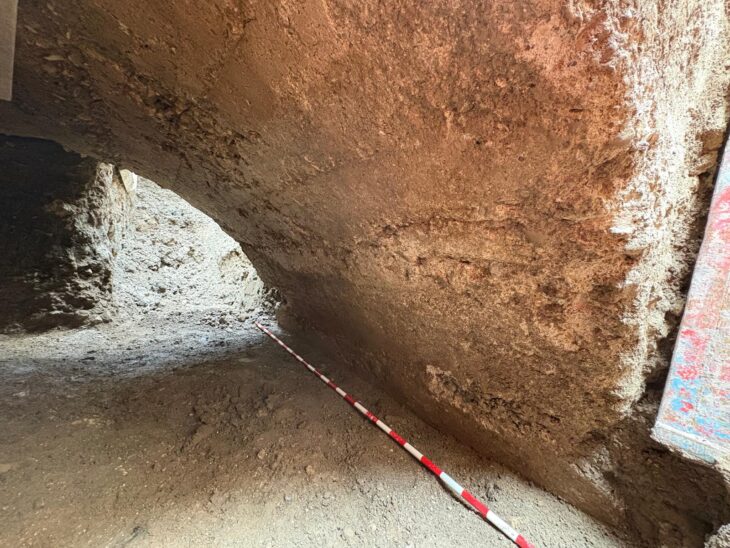
The burial was found at a shallow depth of around 25–30 centimeters inside a dwelling with a rounded base, reinforcing the idea that this was not an isolated act, but one integrated into domestic or communal life.
Evidence of Ritual Sacrifice to Protect Children
According to Anatoly Semyonov, head of archaeology and ethnography at the Yakutsk State Museum, the burial aligns closely with 19th-century ethnographic accounts of shamanic rituals performed to reduce child mortality.
Historical sources describe ceremonies in which two dogs were sacrificed to malevolent spirits—known in Yakut belief systems as abaahy—in order to divert illness and death away from children.
Rather than being random offerings, the dogs likely functioned as symbolic substitutes for human lives, embodying a deeply rooted belief that misfortune could be transferred or appeased through ritual sacrifice.
“This is a highly unusual discovery that forces us to reconsider the spiritual strategies used by past societies,” Semyonov explains. “The burial may represent a tangible example of rituals aimed at protecting children by offering animals in their place.”
Dogs in Ritual and Belief Systems
The Yakutian discovery fits into a broader archaeological pattern in which dogs occupy a liminal role between the human and spiritual worlds.
Across ancient cultures, dogs were frequently associated with:
Guardianship of thresholds (both physical and spiritual)
Guidance of souls in the afterlife
Protective roles against evil forces
In Siberian and Central Asian traditions in particular, dogs were often regarded as mediators between humans and spirits, making them ideal candidates for sacrificial substitution.
Archaeological parallels have been documented in other regions as well. In parts of ancient Eurasia, dog burials have been found near human graves, settlements, and ritual spaces—sometimes interpreted as offerings, companions, or protective agents.
However, what sets the Yakutia find apart is the explicit connection to children, emphasized through the presence of cradles. This detail transforms the burial from a general ritual act into something far more specific: a targeted attempt to intervene in the fragile boundary between life and death in early childhood.
A Rare Archaeological Confirmation of Oral Tradition
Until now, much of what scholars understood about such practices came from ethnographic accounts recorded centuries after the rituals themselves were performed. Physical evidence directly supporting these traditions has been scarce.
This burial provides something different: archaeological confirmation of a belief system long preserved in oral and written records.
The combination of animal sacrifice, symbolic objects, and domestic context offers a rare, multi-layered dataset for understanding how ancient communities confronted one of their greatest challenges—the high mortality rate of infants and young children.
Exhibition Brings the Discovery to Public View
The burial is currently featured in the exhibition “Sedekh: Artifacts of the Yakut Museum”, which opened on April 2 in Yakutsk. The exhibition presents more than 60 artifacts collected through archaeological excavations and ethnographic research across the region.
By placing this discovery within a broader cultural framework, the exhibition highlights not only the technical aspects of the find but also its emotional and human dimension.
A Ritual Designed to Protect Children
This find is more than an unusual burial—it is a powerful reminder of how past societies coped with uncertainty, illness, and loss.
In a world where medical knowledge was limited, ritual practices became a form of emotional and spiritual resilience, offering communities a sense of control over forces they could not otherwise understand.
The Yakutia dog burial stands as a rare and poignant testament to that struggle—one in which animals were not merely companions, but participants in a deeply human effort to protect the next generation.
Cover Image Credit: Sargyn Skryabin / YASIA