An unexpected archaeological discovery beneath one of Montevideo’s most emblematic colonial buildings is reshaping how historians understand the early development of the city and its fragile relationship with water. What began as a routine infrastructure upgrade inside the historic Cabildo Museum has turned into a rare window into everyday life in the Río de la Plata during the 18th and early 19th centuries—an era defined as much by scarcity as by survival.
Located directly opposite Plaza Matriz in Montevideo’s old town, the Cabildo has long stood as a symbol of colonial administration. Yet beneath its floors, archaeologists have now uncovered a layered and remarkably well-preserved record of the city’s past. The discovery emerged during construction work intended to install an elevator, a project aimed at improving accessibility. As workers removed sections of the ground, they encountered structural remains that quickly drew the attention of specialists.
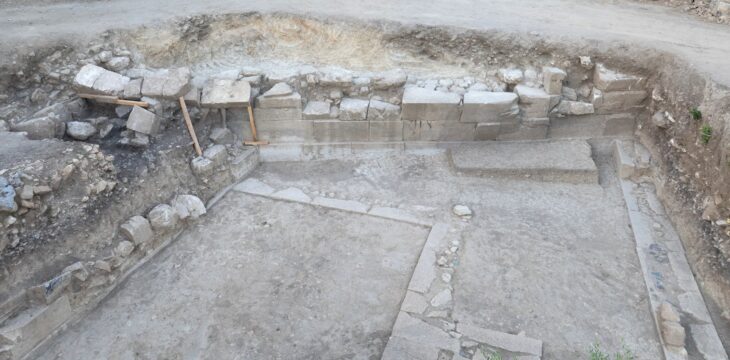
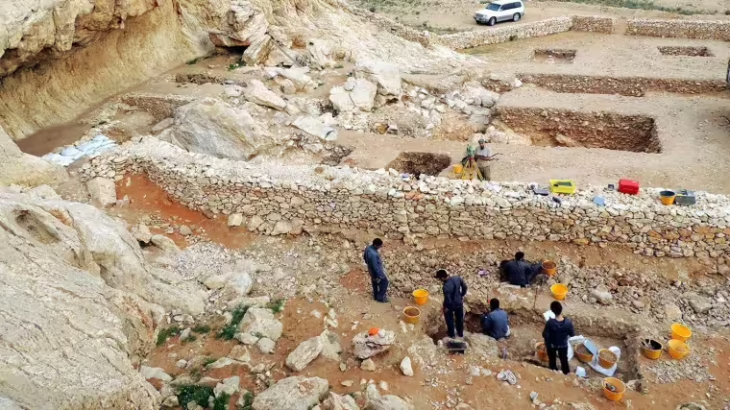
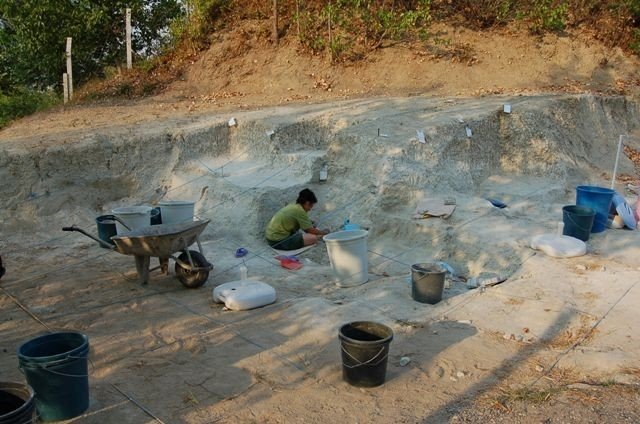
What followed was not a single isolated find, but a complex archaeological sequence revealing overlapping phases of construction, occupation, and transformation. According to lead archaeologist Nicol de León, the excavation has exposed architectural elements from both the colonial period and the early decades following Uruguay’s independence. Walls, floors, and fragmented building foundations suggest continuous adaptation of the urban landscape over time rather than a static historical footprint.
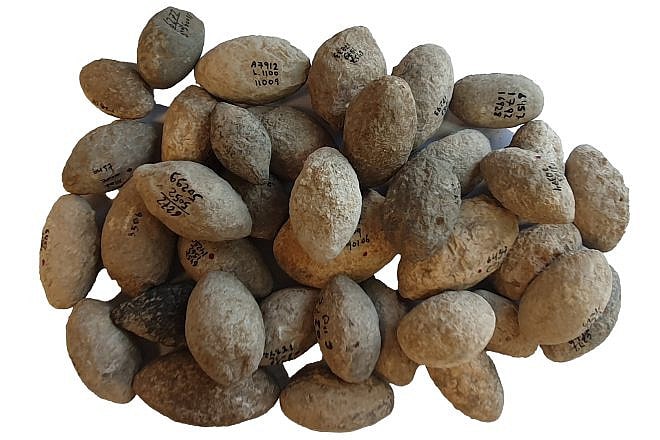
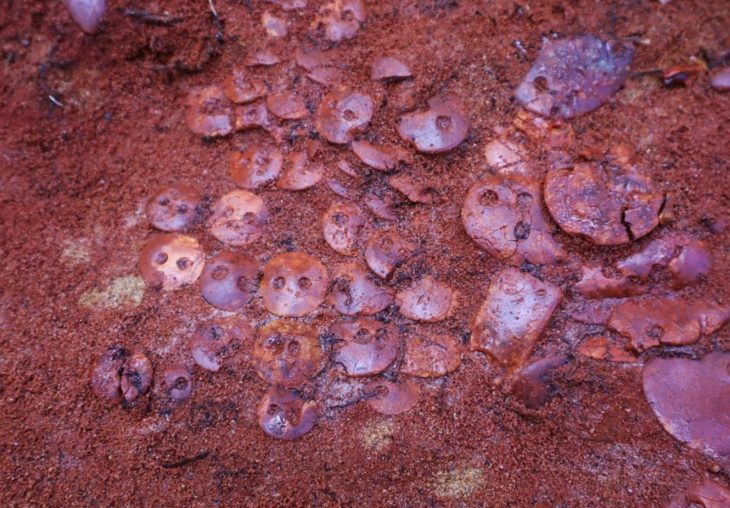
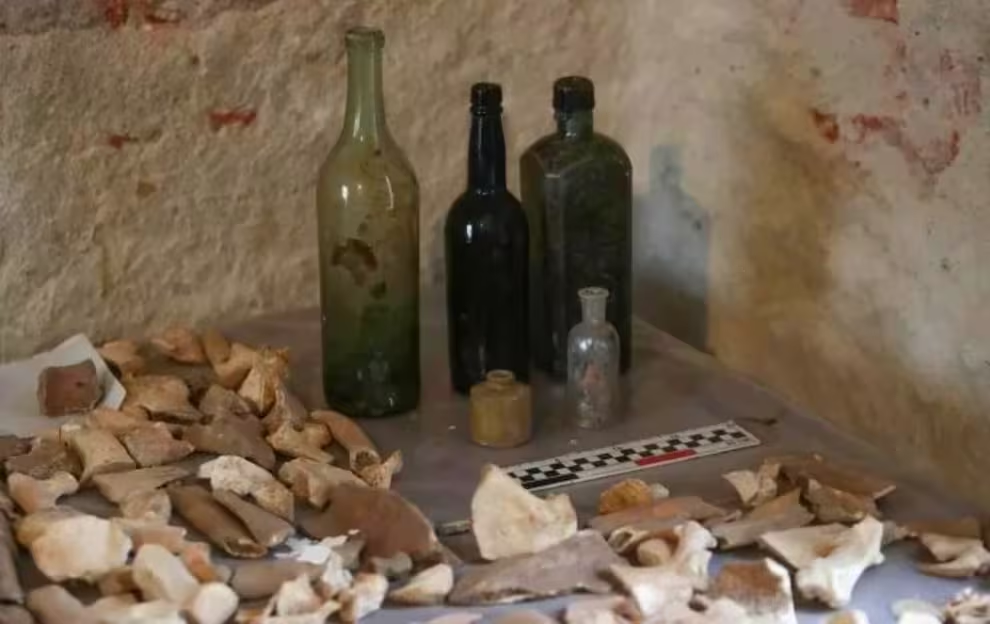
Alongside these structural remains, a diverse assemblage of artifacts has begun to illuminate the rhythms of daily life in colonial Montevideo. Glass bottles of varying shapes and origins indicate how liquids—whether water, alcohol, or medicinal substances—were stored and consumed. The presence of bullets and projectiles provides tangible evidence of the conflicts that periodically engulfed the region, reinforcing Montevideo’s strategic importance within the Spanish Empire and later in regional struggles.
Smoking pipes recovered from the site hint at social customs that transcended class boundaries, while faunal remains are offering new data on diet and food distribution. These biological traces are particularly valuable, as they allow zooarchaeologists to reconstruct consumption patterns and identify differences between social groups. In a colonial setting marked by inequality, food remains often serve as one of the clearest indicators of status and access.
📣 Our WhatsApp channel is now LIVE! Stay up-to-date with the latest news and updates, just click here to follow us on WhatsApp and never miss a thing!!
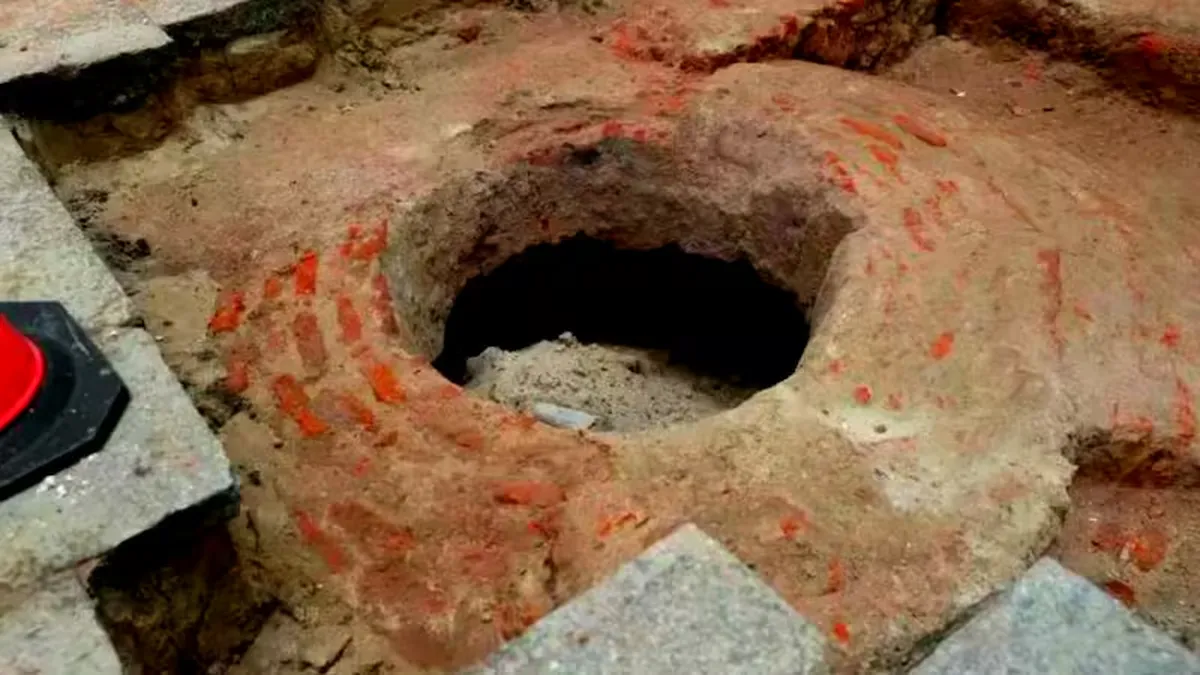
Yet among all the findings, one structure has drawn particular attention for its potential historical significance. Archaeologists have identified what may be a subterranean water source—possibly a colonial fountain or well—unlike any previously documented in this exact context. Its architectural characteristics, including the materials used and its configuration, suggest it played a central role in water collection or distribution.
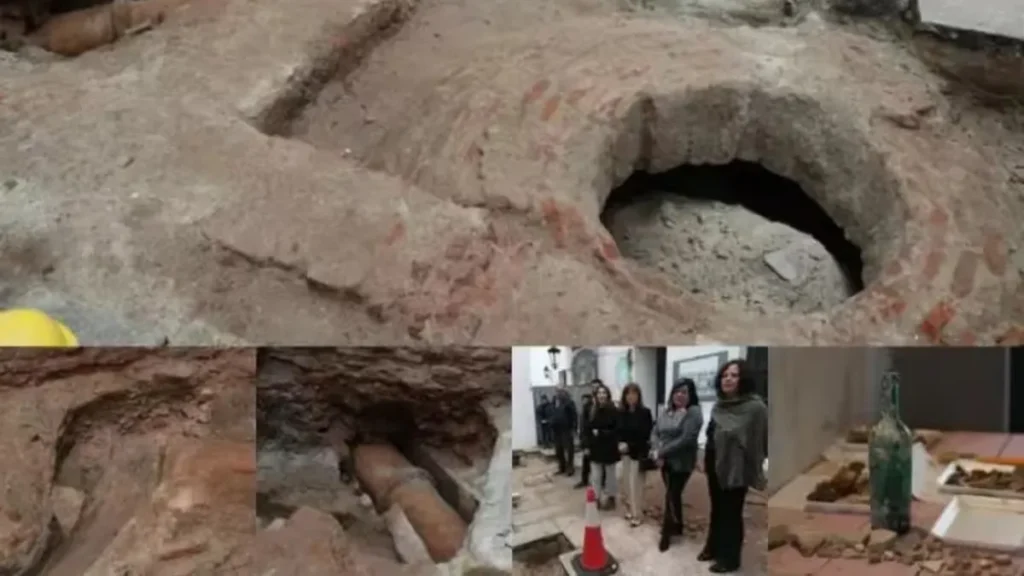
This interpretation carries considerable weight when placed within the broader environmental and military realities of colonial Montevideo. Unlike cities built along major rivers, Montevideo lacked abundant freshwater sources within its fortified perimeter. During periods of siege, when access to external resources was cut off, the population depended entirely on internal reserves. In such conditions, water was not merely a domestic necessity but a strategic asset essential for survival.
Historian Ana Ribeiro has emphasized that water scarcity shaped both urban planning and defensive strategies in the city’s early history. The identification of a possible water source beneath the Cabildo raises critical questions about how colonial authorities managed supply, whether through centralized systems or localized wells, and how these systems evolved over time.
Historical accounts further complicate the picture by describing variations in water quality across different parts of the city. Sources located to the west were often regarded as superior, sometimes even attributed with healing properties. One of the most frequently cited examples is a well associated with early settler Luis Mascareñas, whose water gained a near-mythical reputation among residents.
Although no direct connection has yet been established between these historical references and the newly discovered structure, the possibility remains open. Should future analysis confirm such a link, the implications would be substantial. It would not only anchor historical narratives in physical evidence but also provide a rare opportunity to map the original hydrological landscape of Montevideo with greater precision.
Beyond the question of water, the excavation is contributing to a more nuanced understanding of urban life in a colonial port city shaped by migration, trade, and conflict. The combination of architectural remains and portable artifacts reveals a dynamic environment where infrastructure, daily habits, and social hierarchies were constantly negotiated.
At the same time, the discovery has introduced a complex dilemma for city authorities. The elevator project that triggered the excavation was designed to make the museum accessible to visitors with reduced mobility—a goal aligned with modern standards of inclusivity. However, the presence of significant archaeological remains necessitates a reassessment of priorities.
Cultural director María Inés Obaldía has acknowledged the challenge of balancing accessibility with preservation. Current regulations require a detailed technical report to be submitted to the National Heritage Commission, which will determine the future of the site. Possible outcomes include redesigning the construction project, delaying installation, or integrating the archaeological remains into the museum’s exhibition space.
The latter option could transform the Cabildo into a more immersive historical environment, allowing visitors to engage directly with the material layers of the city beneath their feet. Such an approach would not only preserve the findings but also enhance public understanding of Montevideo’s origins.
For archaeologists, the excavation underscores a broader reality: even in well-studied urban centers, significant discoveries can still emerge unexpectedly. Montevideo, founded in the 18th century as a strategic outpost of the Spanish Empire, has undergone centuries of transformation. Yet its subsoil continues to preserve traces of its earliest phases, waiting to be uncovered.
As research progresses, laboratory analysis and further excavation are expected to refine the chronology and interpretation of the site. Each artifact, each structural fragment, contributes to a growing body of evidence that challenges simplified narratives of the city’s past.
What makes this discovery particularly compelling is not a single object or structure, but the convergence of multiple lines of evidence—architectural, material, and environmental—into a coherent story of adaptation and resilience. The potential identification of a colonial water source adds a crucial dimension to that story, linking infrastructure with survival in a fortified landscape.
In the heart of Montevideo, beneath a building that once housed colonial authorities, a different kind of work is now underway. Instead of governing the city, the Cabildo has become a place where its hidden past is being carefully reconstructed—layer by layer, detail by detail—offering a deeper understanding of how life once unfolded in the Río de la Plata.
Cover Image Credit: EFE