13 March 2026 The Future is the Product of the Past

2,000-Year-Old Coin Once Paid Leeds Bus Fare

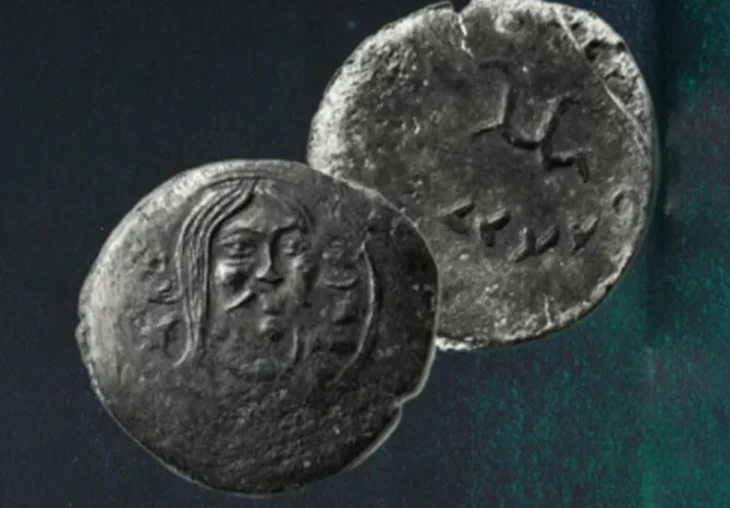
A rare coin, minted over 2,000 years ago by the Carthaginians, has found its way into the collection of Leeds Museums and Galleries, after a surprising journey through time and everyday life.

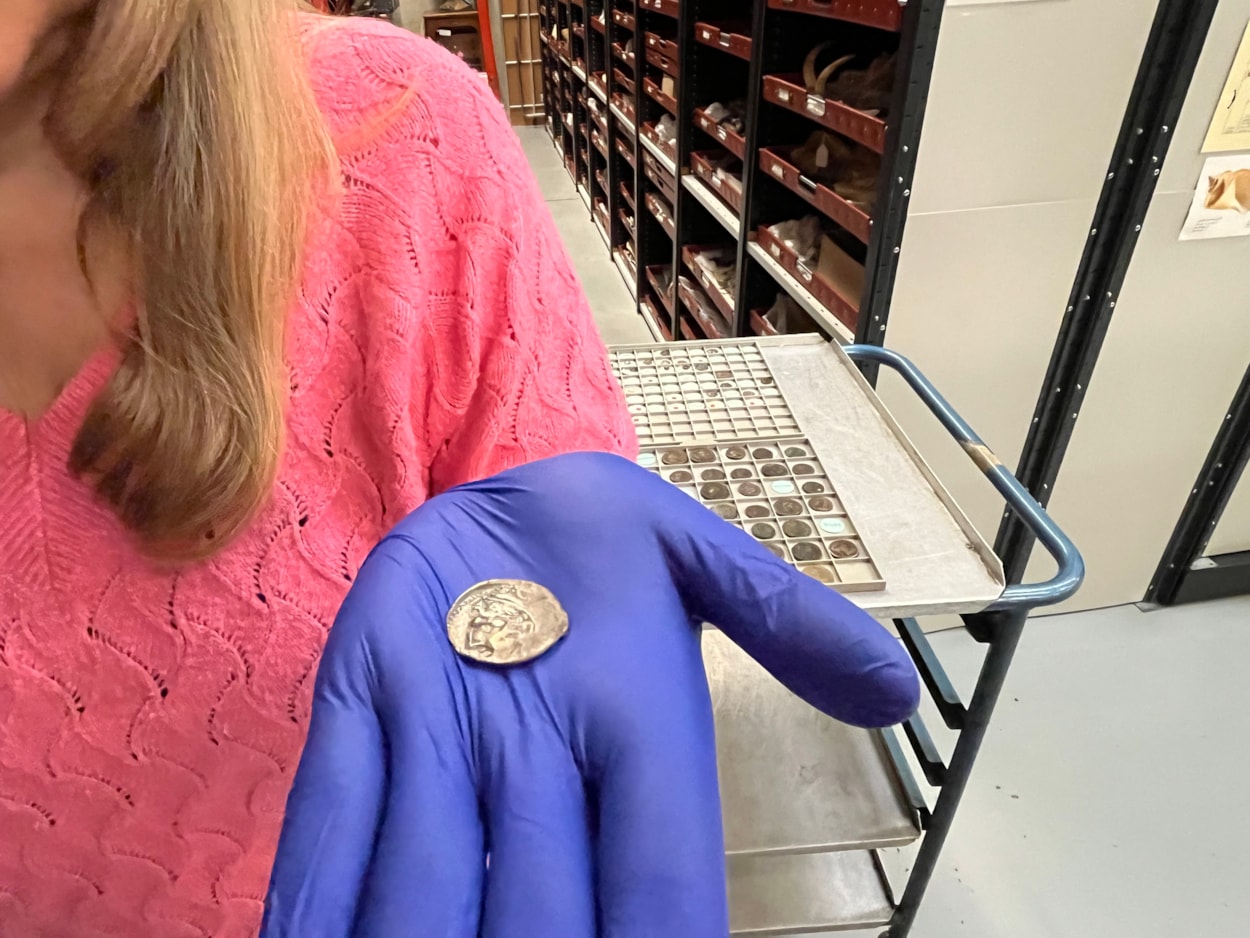
The coin, originating from the Phoenician settlement of Cádiz in Spain during the 1st century BC, first appeared in Leeds in the 1950s when it landed in the hands of James Edwards, chief cashier for Leeds City Transport. While counting fares from bus and tram drivers, Mr. Edwards would set aside foreign or unusual coins, later passing them to his grandson Peter, who stored them in a small wooden chest for more than seven decades.

Peter Edwards, now 77, explained: “It was not long after the war, and soldiers returned with coins from abroad. Neither of us were collectors, but we were fascinated by their origins and designs – to me, they were treasure.”
Credit: Leeds City Council

Intrigued by one particular coin and its unusual inscriptions, Peter conducted research and discovered its Carthaginian roots. The coin features the god Melqart, resembling the Greek hero Herakles, wearing the iconic lionskin headdress. Phoenician coins often used Greek imagery to appeal to traders, highlighting the cross-cultural connections of the ancient world.

Recognising its historical value, Peter donated the coin to Leeds Museums and Galleries, ensuring it could be studied and appreciated by the public.


📣 Our WhatsApp channel is now LIVE! Stay up-to-date with the latest news and updates, just click here to follow us on WhatsApp and never miss a thing!!


Councillor Salma Arif, Leeds City Council’s executive member for culture, said: “It’s incredible to think this tiny piece of history traveled thousands of years to Leeds. Museums don’t just preserve objects – they tell stories and inspire curiosity about the past in the most unexpected places.”

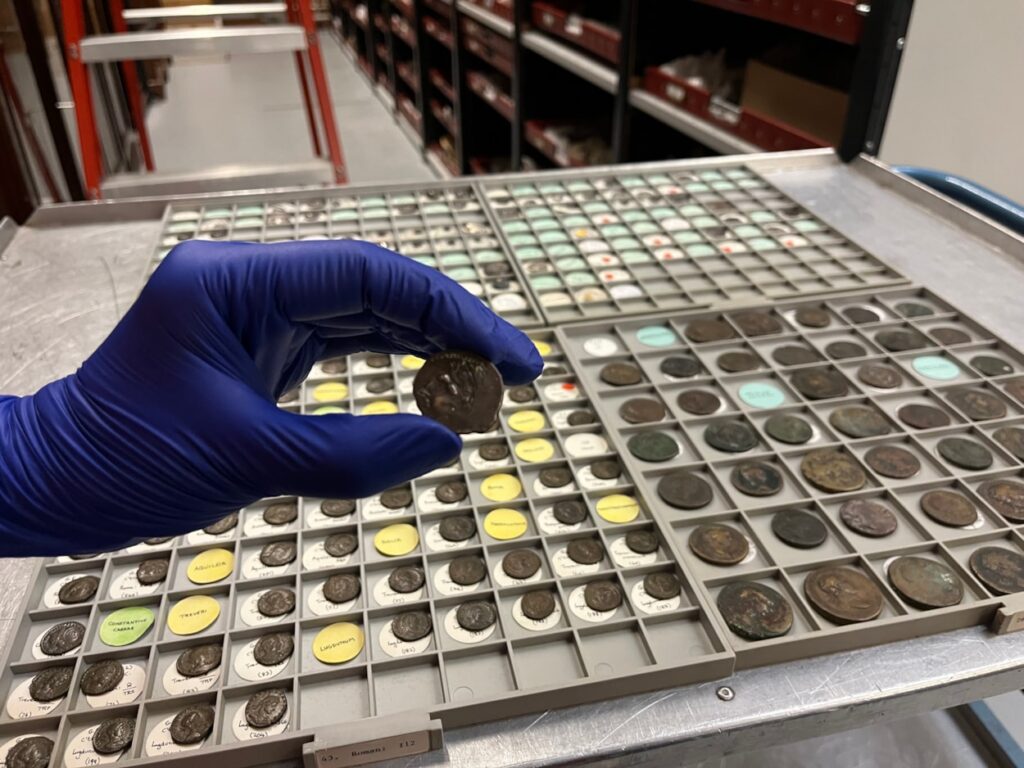
The coin will be displayed at Leeds Discovery Centre, which houses an extensive collection of global currency spanning millennia. The museum offers pre-booked tours on a “Give What You Can” basis, welcoming donations to support its work in preserving and sharing history.

Leeds City Council

Cover Image Credit: Leeds City Council
Related Articles

New Study Reveals the Contribution of Female Scribes in Medieval Manuscript Production

2 April 2025

2 April 2025

A recent study sheds light on the often-overlooked contributions of women in the production of handwritten manuscripts during the Middle...

Three Roman Graves Uncovered in Portugal

17 April 2024

17 April 2024

Three burials dating to the 5th or 6th century AD have been unearthed in the ancient Roman city of Ossónoba...

300-Year-Old Sacred Mummified Mermaid From Japan’s Mystery Solved

20 February 2023

20 February 2023

A mummified mermaid has been worshiped in Japan for centuries because locals believe it has healing powers. However, upon closer...

Unique Iron Age Divination Spoon Found on the Isle of Man

21 February 2025

21 February 2025

A unique bronze spoon, dating back 2,000 years and believed to have played a role in divination rituals, has been...

The impressive Statue of young Hercules unearthed in Philippi, Northern Greece

24 September 2022

24 September 2022

A larger-than-life youthful Hercules statue dating to the 2nd century A.D. have been found in the ancient city of Philippi...

Petalodus shark teeth found for the first time in China

29 August 2021

29 August 2021

A 290 million-year-old fossil of a shark with petal-shaped teeth has been discovered in China. Seven well-preserved Petalodus teeth were...

Places to Visit in Oman

6 February 2021

6 February 2021

There are many places to visit in Oman. In this article, we wanted to talk about a wonderful country that...

Archaeologists Find Bronze Inscription and Possible Archive in 6th-Century BCE Temple at Kleidi Samikon

10 March 2026

10 March 2026

Archaeologists conducting excavations at the ancient site of Kleidi Samikon in western Greece have uncovered a remarkable bronze inscription and...

A 2,000-year-old monumental Roman villa Found Under a Seaside May Be Pliny the Elder’s house

23 January 2024

23 January 2024

Researchers have discovered the remnants of a massive Roman villa thought to have ties to Pliny the Elder while working...

2,700-year-old bronze figurine found in Germany’s Tollence River: goddess or weight?

9 April 2022

9 April 2022

A Bronze Age female figurine discovered in the Tollense River in northern Germany may have been a goddess, part of...

Saxon ‘London’ was Bigger Than Previously Believed

23 February 2024

23 February 2024

Archaeologists digging at the northern end of Trafalgar Square found evidence that Saxon London’s center was bigger and extended further...

God Pan statue unearthed at Istanbul’s historical church of St. Polyeuctus

1 June 2023

1 June 2023

A Pan statue thought to belong to the Roman period was recovered during excavation works carried out by Istanbul Metropolitan...

Denisovans or Homo Sapiens: Who Were the First to Settle Permanently on the Tibetan Plateau?

8 December 2021

8 December 2021

The Tibetan Plateau has long been considered one of the last places to be populated by people in their migration...

‘4,200-year-old Zombie grave’ discovered in Germany

22 April 2024

22 April 2024

Archaeologists excavating in East Germany have found a 4,200-year-old grave near Oppin in Saxony-Anhalt containing the skeleton of a man...

Colossae Ancient City Excavation Works Begin

8 September 2021

8 September 2021

Excavations of the ancient city of Colossae, located in the Honaz district of Denizli province in western Turkey, are starting...

Comments
Leave a Reply

Your email address will not be published. Required fields are marked *