
11 February 2026 The Future is the Product of the Past

Mendik Tepe: A Neolithic Discovery That Could Rewrite History Before Göbekli Tepe

Archaeologists working at Mendik Tepe, a prehistoric mound in southeastern Türkiye, are unearthing evidence that may date earlier than the world-famous Göbekli Tepe, often hailed as the “zero point of history.” The excavation, part of the wider Taş Tepeler Project, is already reshaping our understanding of the Neolithic Revolution and humanity’s transition from hunter-gatherers to settled communities.

International Excavation Brings New Clues to Light

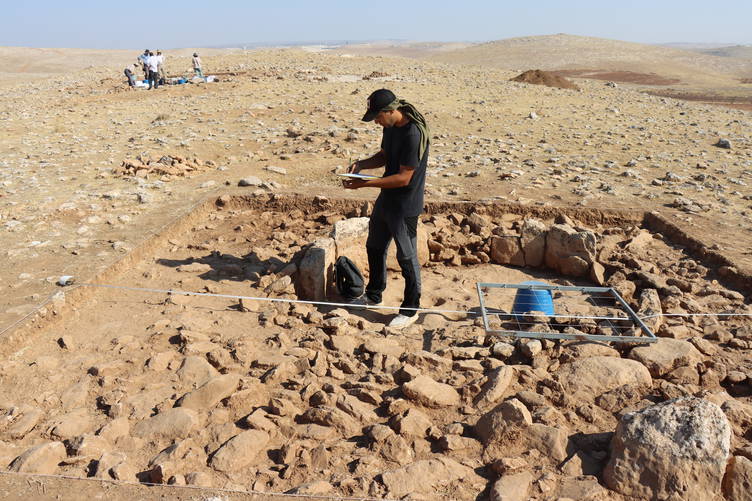
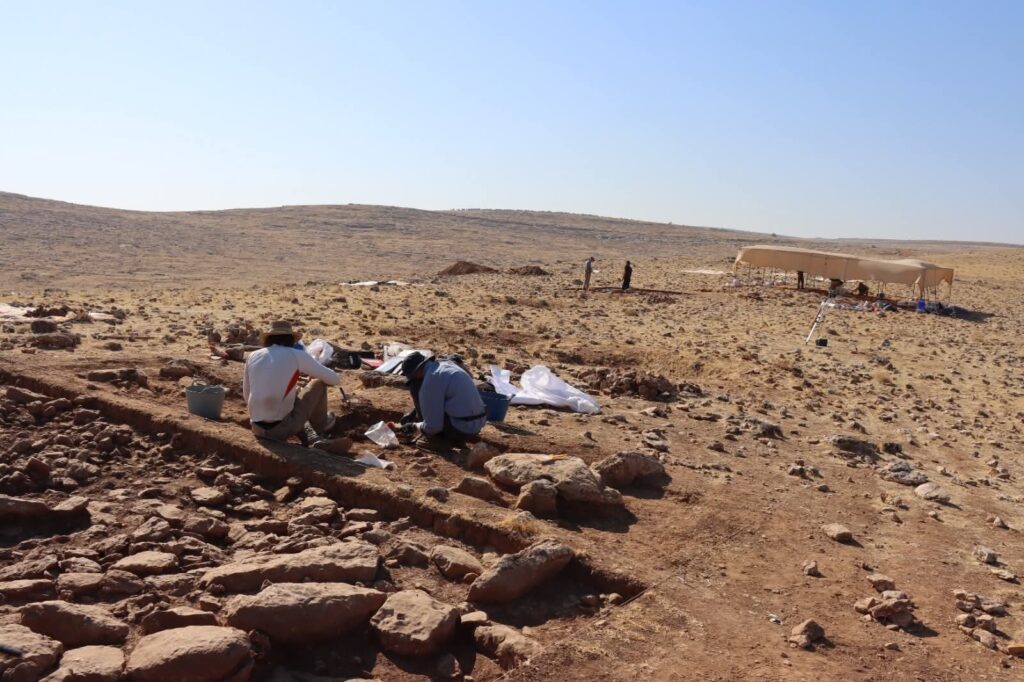
Mendik Tepe is located in the Eyyübiye district of Şanlıurfa, near Payamlı village, at the heart of the Fertile Crescent. The site was first identified by archaeologist Fatma Şahin and is now being excavated under the direction of Professor Douglas Baird of the University of Liverpool, in collaboration with the Şanlıurfa Archaeology Museum and the British Institute of Archaeology.

Baird emphasizes the importance of this new site:

“The finds suggest Mendik Tepe belongs to the very beginnings of the Neolithic. While connected to Göbekli Tepe and Karahantepe, its structures show unique forms and may even predate them.”

This makes Mendik Tepe a crucial piece in understanding how Neolithic culture emerged and spread across the Taş Tepeler region.


📣 Our WhatsApp channel is now LIVE! Stay up-to-date with the latest news and updates, just click here to follow us on WhatsApp and never miss a thing!!


Credit: Cebrail Caymaz/AA

Different Building Sizes, Different Purposes

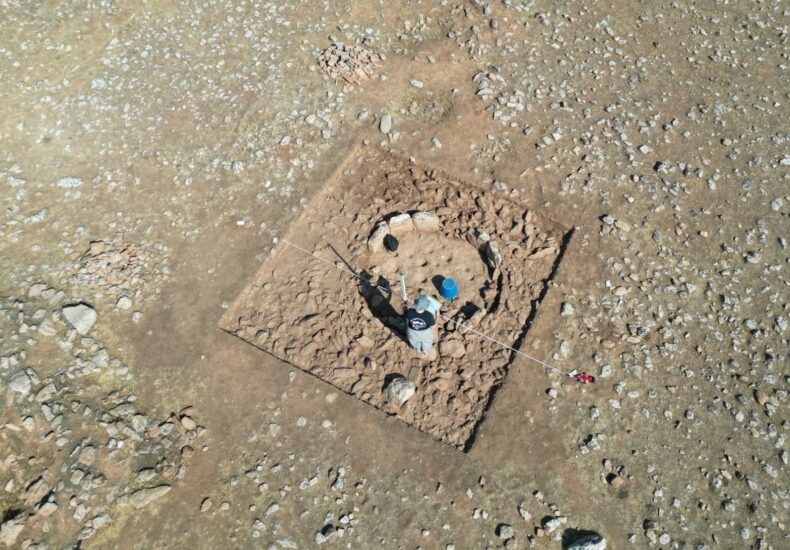
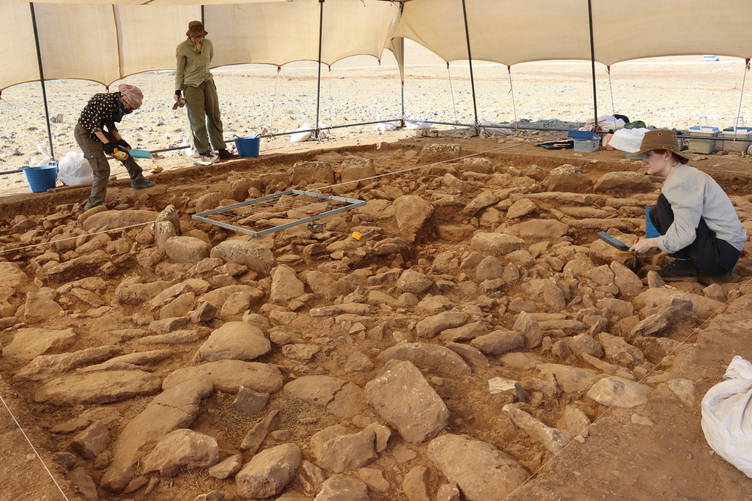
Excavations have revealed a variety of structures in terms of size and function:

Small buildings appear to have been used for storage or food preparation.

Medium-sized structures (about 4–5 meters wide) likely functioned as houses or communal dwellings.

Large structures, built with meticulous stonework, are believed to have had ritual or ceremonial significance.

This diversity suggests that Mendik Tepe was not merely a ritual center like Göbekli Tepe, but also a multi-purpose settlement where everyday life and spiritual practices coexisted.

Older Than Göbekli Tepe?

What excites archaeologists most is the possibility that Mendik Tepe could be older than Göbekli Tepe (c. 9600 BCE). Recent dating evidence from nearby Çakmak Tepe, another site under the Taş Tepeler Project, shows striking similarities in age. If confirmed, these findings could push back the timeline of monumental architecture in human history.

Unlike Göbekli Tepe and Karahantepe, known for their iconic T-shaped pillars, Mendik Tepe features upright stones in different forms, marking a distinctive architectural identity. This difference may point to a transitional phase in early human construction methods.
Credit: Cebrail Caymaz/AA

Part of the Taş Tepeler Network

Mendik Tepe is one of more than 12 Neolithic mound sites in the Şanlıurfa region, collectively known as Taş Tepeler (Stone Hills). Together, they form one of the most significant prehistoric landscapes in the world.

These interconnected sites reveal how early farming communities experimented with architecture, ritual, and social organization. Sites like Sayburç with its reliefs and Çayönü Tepesi with non-T-shaped pillars share parallels with Mendik Tepe, strengthening the idea of a diverse but interconnected Neolithic culture.

A Window Into the Birth of Civilization

Archaeologists believe the discoveries at Mendik Tepe could transform our understanding of the Neolithic Revolution – the period when humans shifted from mobile hunting groups to permanent settlements and farming societies.

This transformation, which began in southeastern Türkiye over 11,000 years ago, laid the foundations for modern civilization. With Mendik Tepe now entering the spotlight, scholars anticipate new insights into:

How early humans organized communal and ritual spaces.

The role of food storage and production in the rise of permanent settlements.

The spread of architectural traditions across the Fertile Crescent.
Credit: Cebrail Caymaz/AA

Looking Ahead

The Mendik Tepe excavations are still in their early stages, but findings already suggest the site could be one of the most significant archaeological discoveries of the 21st century. As Prof. Baird notes, ongoing research will reveal whether this little-known mound truly predates Göbekli Tepe and reshapes the history of the Neolithic world.

For now, one thing is certain: Mendik Tepe is not just another dig site, but a key to unlocking humanity’s first steps into civilization.

Photo: Cebrail Caymaz/AA

Related Articles

Klazomenai, ceramic center of ancient period was found the first seal belonging to the city

20 November 2022

20 November 2022

A seal belonging to the city was found for the first time during excavations in the ancient city of Klazomenai...

Medieval Weapon Chest Found on Sunken Medieval Flagship Gribshunden

20 April 2024

20 April 2024

An extensive exploration of the wreck of the royal flagship Gribshunden has unearthed a trove of new findings: new insights...

Hunter-Gatherers Kept an ‘Orderly Home’ in the Earliest Known British Dwelling

25 July 2024

25 July 2024

Based on archaeological evidence from a Yorkshire site, new research suggests that hunter-gatherers probably kept an organized home with designated...

China’s construction of the first archaeological museum which will house the famous Terracotta Warriors has been completed

19 April 2022

19 April 2022

Construction of the first archaeological museum in China’s northwestern province of Shaanxi, which will house the famous Terracotta Warriors, was...

Computational Analysis Points to a Non-Traditional Garden of Eden Location – Beneath the Pyramids?

30 April 2025

30 April 2025

A radical new theory proposed by a computer engineer suggests that the biblical Garden of Eden may not be in...

Five Gates to the Sacred: The First Discovered Processional Road at My Son Sanctuary

9 January 2026

9 January 2026

Archaeologists working at Vietnam’s My Son Sanctuary have uncovered a monumental sacred road that is reshaping scholarly understanding of Champa...

Archaeologists unearthed the exact place of the tomb of Saint Nicholas, also known as “Santa Claus,” and the floor on which he walked

17 October 2022

17 October 2022

An excavation team has discovered the exact location of Saint Nicholas’ tomb, also known as “Santa Claus,” as well as...

Deadly Omens Revealed from 4,000-year-old Babylonian Tablets

10 August 2024

10 August 2024

Researchers successfully deciphered 4,000-year-old cuneiform tablets discovered over a century ago in what is now Iraq.  The tablets, housed at...

Bronze Age women’s jewelry set discovered in Güttingen carrot field, Swiss

17 October 2023

17 October 2023

A set of Bronze Age women’s jewelry was discovered by archaeologists in Güttingen, Thurgau canton, northeastern Switzerland, in a freshly...

A Glorious Temple, inside which Sacrifices Were Performed, was Found in the Sanctuary of Artemis Amarysia on Greek Island of Euboea

13 January 2024

13 January 2024

Archaeologists excavating at the Artemis Amarysia sanctuary in Amarynthos on the Greek island of Euboea have revealed new insight into...

Two more Giants discovered at Mont’e Prama in Sardinia, Italy

7 May 2022

7 May 2022

Two more Giants have emerged from the Mont’e Prama excavations in Sardinia: both of the new statues have been described...

4000-year-old Palace complex dating from China’s earliest known Xia dynasty unearthed

30 December 2023

30 December 2023

In Xinmi, in the Henan Province of Central China, a four-courtyard style palace complex from the Xia Dynasty (2070BC–1600BC), China’s...

12,000-Year-Old rock art may depict extinct giants of the ice age

13 March 2022

13 March 2022

South America was filled with ice age animals more than 12,000 years ago, including car-sized ground sloths, elephantine herbivores, and...

Archaeologists discover ‘exceptional’ ancient Roman sanctuary in near intact condition in Netherlands

23 June 2022

23 June 2022

Archaeologists have unearthed a relatively intact 1st-century Roman sanctuary in the town of Herwen-Hemeling in the province of Gelderland in...

A Lynx Buried with Four Big Dogs in an Ancient Roman Well in Hungary

17 April 2024

17 April 2024

Archaeologists have discovered the skeleton of an adult male lynx accompanied by four big dogs in a Roman-era pit in...