
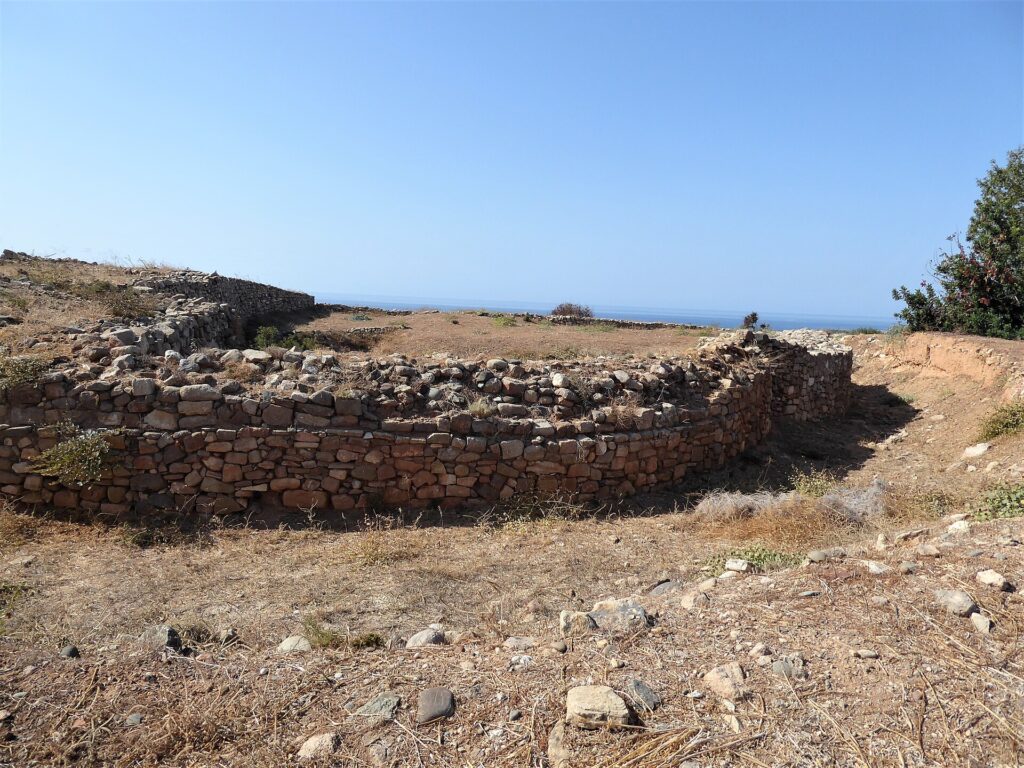
Archaeologists excavating the ancient city of Palaepaphos in Cyprus have identified its first confirmed Late Bronze Age fortification system. New evidence from a defensive wall and a tower built in successive stages shows that the settlement possessed monumental fortifications more than 3,000 years ago.
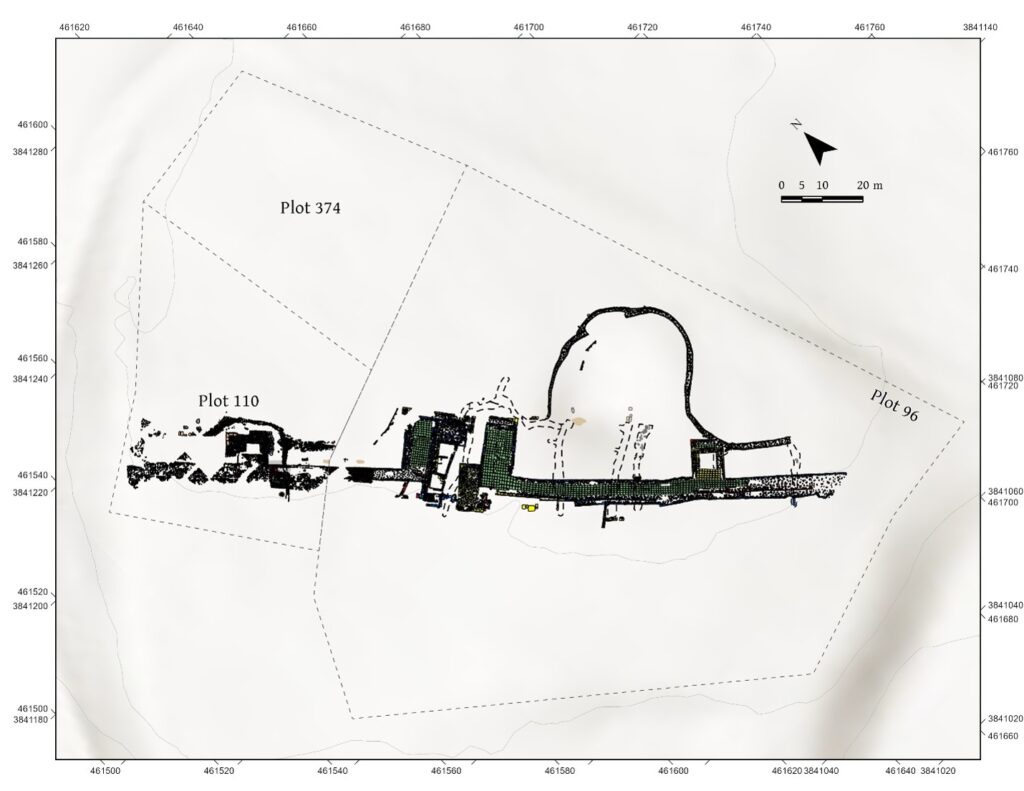
The discovery was made at Marchello, near the modern village of Kouklia, during excavations conducted by the National and Kapodistrian University of Athens. The findings establish a much earlier construction date for part of a defensive complex whose origins had remained uncertain despite decades of archaeological investigation.
The 2026 excavation season, carried out in August and September under the direction of Professor Konstantinos Kopanias, also revealed how an original bastion projecting from the defensive wall was gradually enlarged into a substantial tower. Its surviving foundations provide evidence of repeated efforts to strengthen the city’s defenses during the final centuries of the Bronze Age.
A Defensive Wall Dating to the Late Bronze Age
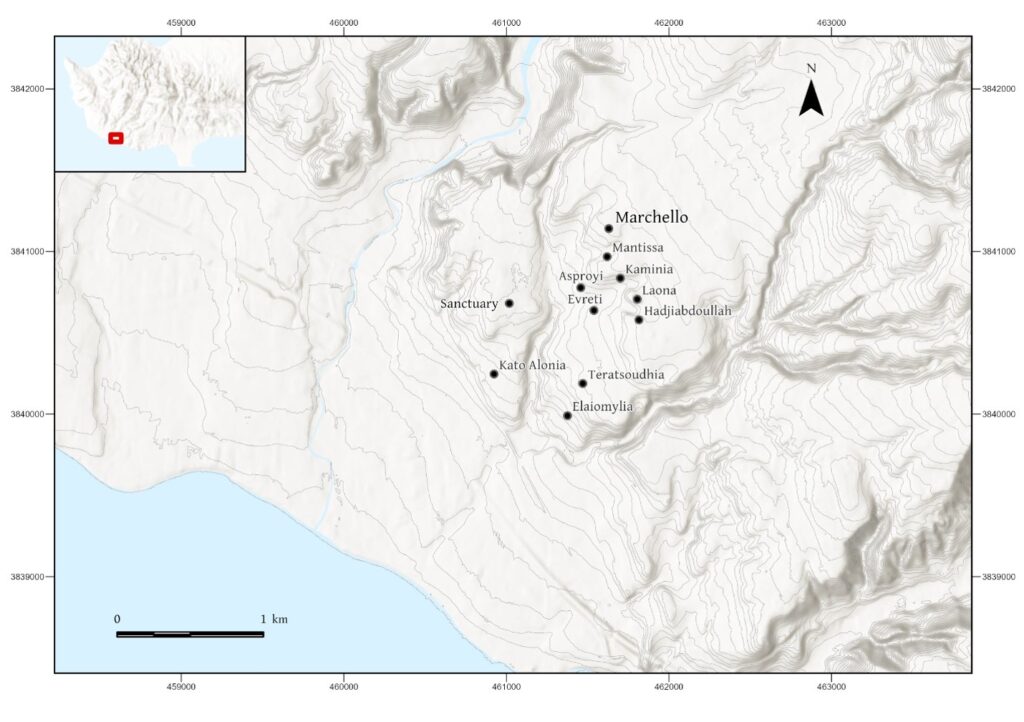
Marchello lies less than one kilometer northeast of the Sanctuary of Aphrodite at Palaepaphos, one of the most important religious centers of ancient Cyprus. Earlier excavations by British, German-Swiss, and University of Cyprus archaeological teams had identified an extensive rampart, a monumental gateway and other substantial architectural remains.
However, archaeologists had not established precisely when the earliest defenses were constructed or how the different structures developed over time.
The latest investigations provide stronger evidence that the original rampart belongs to the Late Cypriot IIC–IIIA period, toward the end of the Late Bronze Age.
Beside a newly exposed section of the defensive wall, archaeologists uncovered an undisturbed archaeological deposit containing pottery from this period. A concentration of marl was also found on its surface, apparently prepared for use in construction.
The marl had been spread over stone foundations to create a level surface for the mudbrick superstructure. Its association with the pottery and the surviving foundations helped researchers establish the chronology of the wall’s earliest construction phase.
An Ancient Bastion Transformed Into a Tower
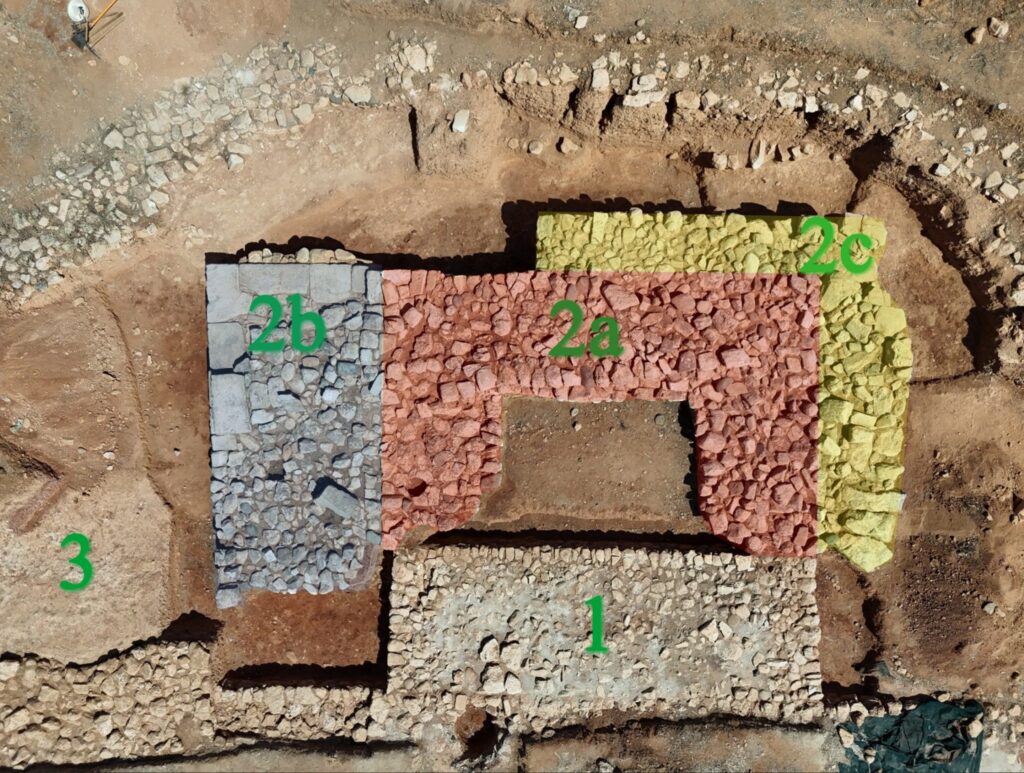
The most significant architectural finding of the 2026 excavations concerns a rectangular bastion built during Late Cypriot IIIA. Originally projecting from the defensive wall, the structure was subsequently enlarged through the addition of a three-sided extension.
Together, these elements formed an almost square tower measuring approximately 7.4 by 7.3 meters, with substantial walls surrounding an internal chamber of about nine square meters.
The structure’s dimensions, thick walls and enclosed chamber support its interpretation as a defensive tower that may once have supported additional upper levels. Only the foundations survive, however, making it impossible to determine its original height.
The tower underwent further reinforcement, probably during the same Late Bronze Age phase. A wall approximately 2.7 meters thick was constructed along its northwestern side, providing additional protection to the existing structure.
These modifications suggest that Palaepaphos’s defensive architecture developed through successive building campaigns rather than a single construction project.
Fortifications Strengthened Centuries Later
The fortification complex continued to undergo architectural changes long after its original construction.
During the fourth century BC, in the Late Cypro-Classical period, another reinforcing wall was added along the northeastern and southeastern sides of the tower. Pottery recovered from the foundation trench helped archaeologists date this later intervention.
The main rampart was also widened during a subsequent construction phase, possibly within the same period.
One question remains unresolved. The Athens University team has not identified securely dated Cypro-Geometric or Cypro-Archaic construction phases within the excavated area. As a result, researchers cannot yet determine whether the fortifications remained in continuous use between the end of the Bronze Age and the later Cypro-Classical modifications.
The findings nevertheless establish the presence of monumental defensive architecture at Palaepaphos during the Late Bronze Age, adding important evidence to the history of one of ancient Cyprus’s major settlements.
Further examination of the archaeological material is expected to clarify the development of the fortification system and the relationship between its different construction phases.
Following the completion of the 2026 excavation season, the exposed architectural remains were covered with protective ground-cover fabric to limit deterioration while investigations continue.
